Boat Cleaning
BOAT CLEANING IN Post Falls, ID
Idaho requires an Invasive Species Sticker on every watercraft, and the Idaho State Department of Agriculture logged over 173,000 inspections in 2025, a 67% jump since quagga mussels turned up in the Snake River. Clean, drain, dry is the rule at every station. River City Pressure Washing cleans hulls, decks, canvas, and interiors around Post Falls, ID, on the trailer or in storage, using only the pressure and chemistry that gelcoat, graphics, and seals will actually tolerate.
A BOAT IS NOT A DRIVEWAY WITH A MOTOR.
Vehicles take roughly 1,200 to 1,900 PSI with a wide fan, and across most of its surface a boat is more delicate than that. Gelcoat scratches and chalks, vinyl graphics lift at the edges, decals dull, and window and hatch seals are a direct path to water in exactly the places you least want it.
So the method changes surface by surface across a single hull. Waterline staining gets dwell time, topsides get a gentler approach, and anything with an edge gets worked by hand rather than by trigger.
- Gelcoat, graphics, and decals protected
- Waterline treated rather than blasted
- Seals, vents, and hatches worked around
- Interior cabins and seating included
CONCRETE
THE WATERLINE IS WHERE THE SEASON SHOWS.
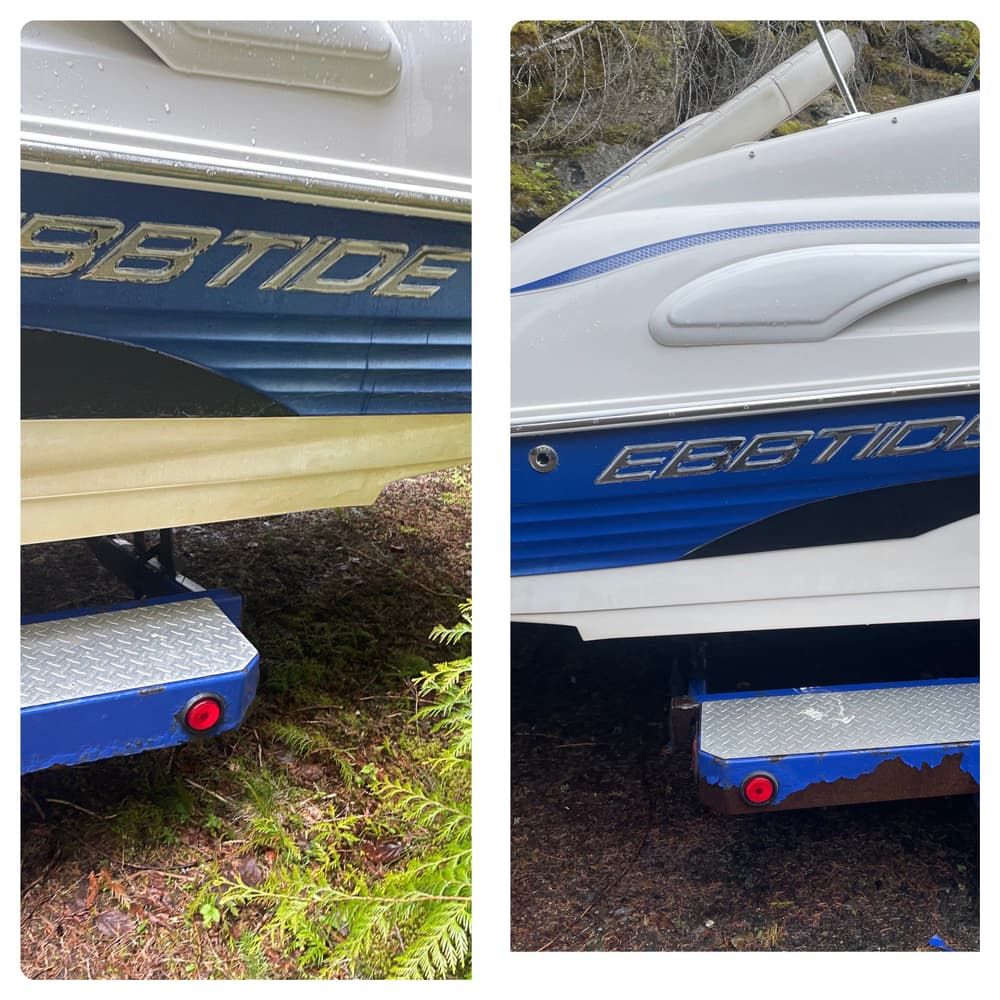
Every hull carries a record of where it sat. That brown and green band at the waterline is mineral staining and algae bonded to gelcoat over months of floating, and it is the hardest thing on a boat to remove without damage. Force takes it off along with the gloss. The answer is a treatment that lifts the staining chemically and a controlled rinse, which takes longer and leaves a hull that still shines.
A NORTH IDAHO SEASON IS SHORT AND HARD ON HULLS.
With Lake Coeur d'Alene, Hayden Lake, Spirit Lake, and Pend Oreille all inside an easy tow, boats here get used intensively across a compressed summer and then sit through a long, wet offseason. That pattern is rough on finishes. Algae establishes during the layup, road grime accumulates on trailer runs, and by the following spring most hulls need considerably more than a rinse before launch.
GELCOAT TAUGHT US RESTRAINT THE EXPENSIVE WAY.
8+ years around gelcoat, graphics, and seals, and we have never once solved a waterline stain by simply turning the pressure up. There is no undo on a chalked hull or a lifted decal. What we know about where to ease off, which edges to hand-wipe, and how long a waterline treatment can dwell came from years of working on boats that people care about a great deal. That caution is why we ask about previous repairs, wraps, and vinyl before quoting anything. What condition is yours actually in?
WHAT A PROPERLY BUILT POUR GIVES BACK
FINISH PRESERVED
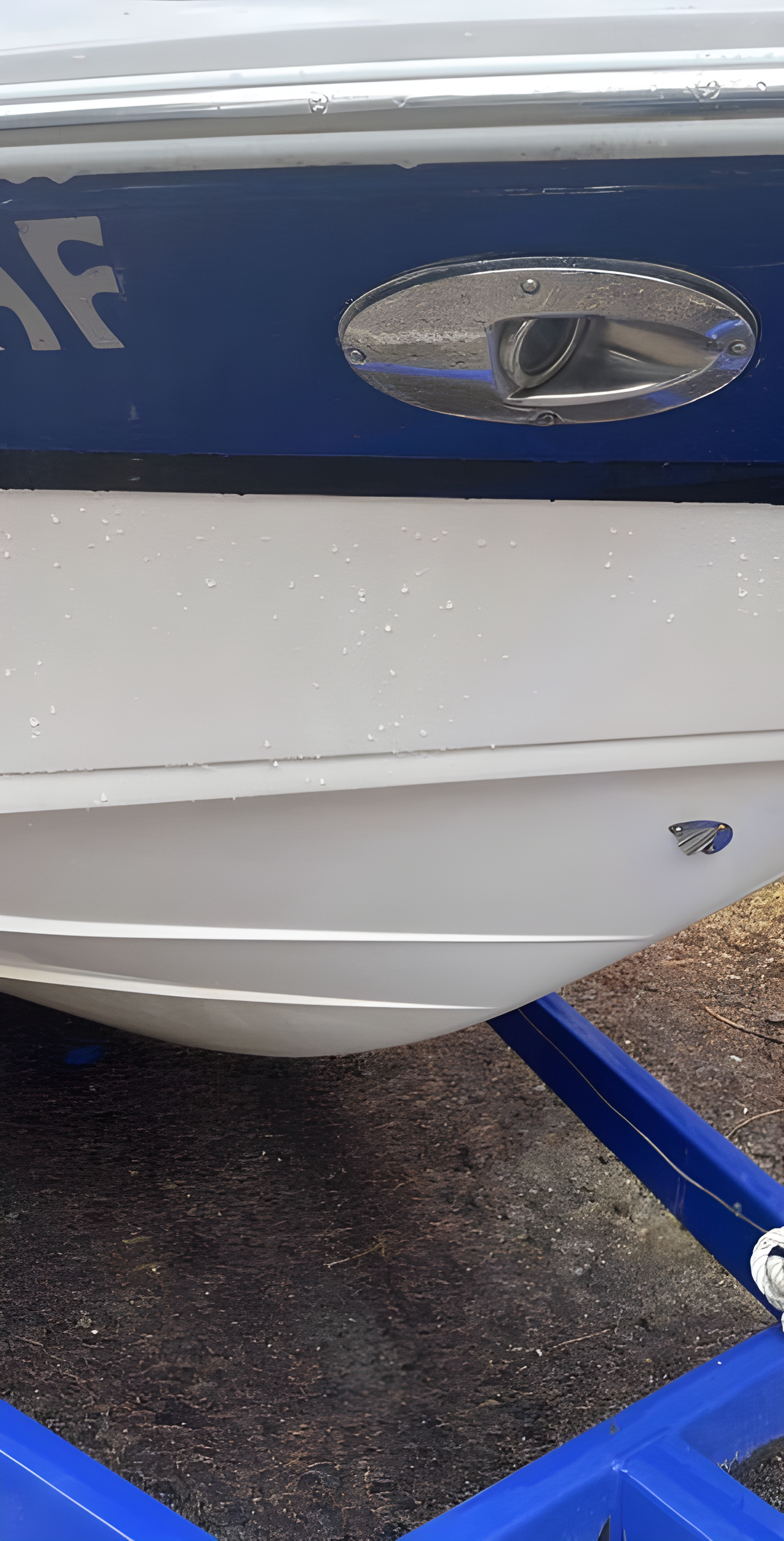
Gelcoat, paint, and clear coat come out of the wash intact. Chalking and micro scratching are permanent, so the pressure and the chemistry both stay inside what the surface can take.
READY FOR LAUNCH
A pre-season clean means the boat goes in looking right on the first good weekend, rather than being scrubbed at the ramp while everyone else is already on the water.
GRAPHICS INTACT
Decals, vinyl wraps, and lettering are exactly where careless washing does visible damage. Edges get hand-worked so nothing lifts, curls, or chalks along a boundary you cannot repair.
WATERLINE ADDRESSED
The stained band gets a dedicated treatment with proper dwell time instead of more force. That is the difference between a hull that looks cleaned and one that looks maintained.
INSIDE TOO
Cabins, seating, storage, and cockpit surfaces are cleaned alongside the exterior. A spotless hull with a musty interior is only half the boat, and the half nobody actually sits in.
CAREFUL AROUND WATER
Working on or near the lake means product choice and rinse direction matter. Biodegradable, properly diluted solutions are used, and runoff is managed rather than sent straight into the water.
WHAT WE WASH
OUR BOAT CLEANING WORK
A boat is a collection of very different materials fastened together, and each of those surfaces wants its own approach. Here is what a full boat wash covers, starting at the trailer and working up.
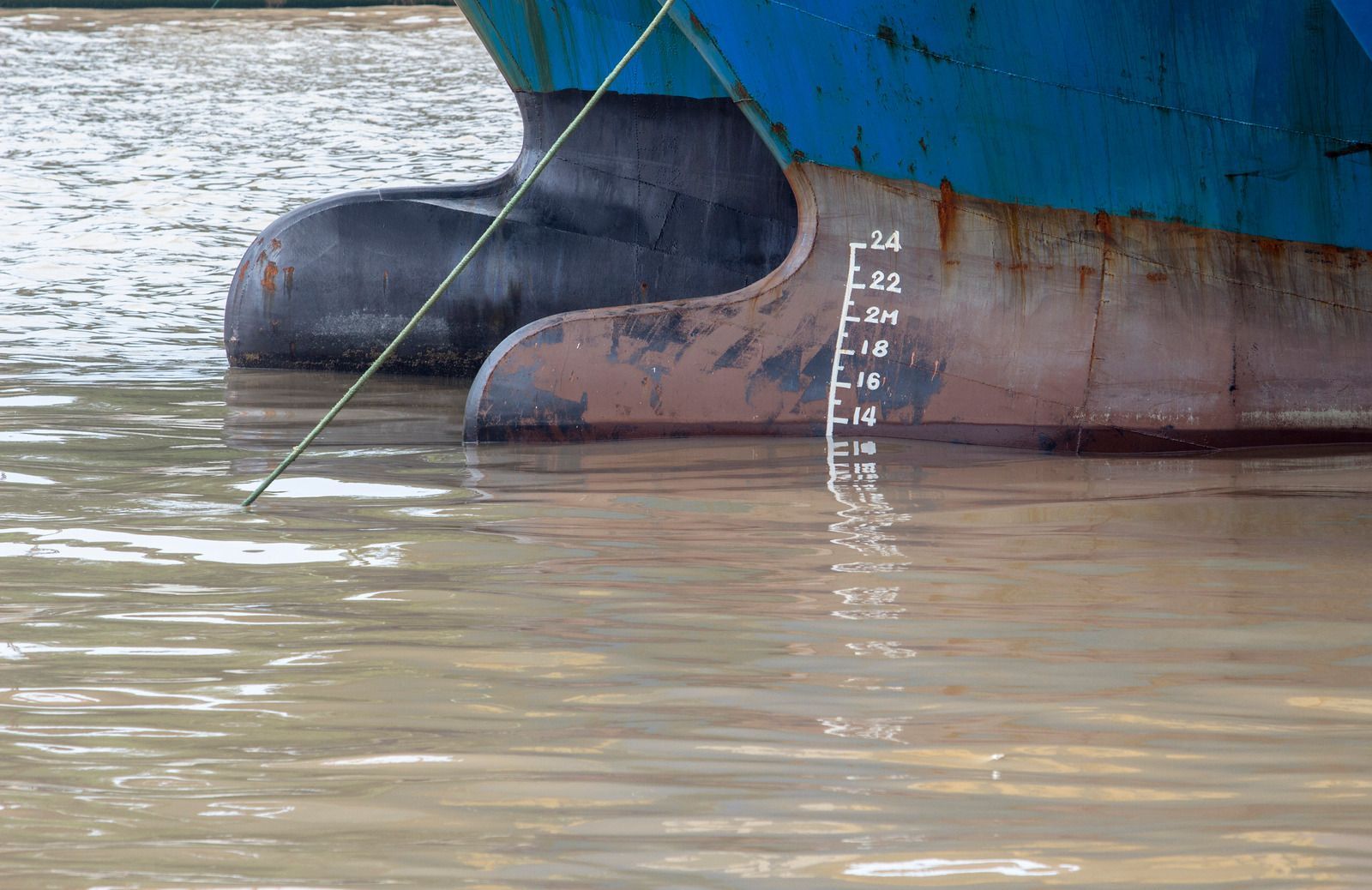
HULL
Hull and Waterline
The hull below the rub rail gets washed and the waterline band treated with dwell time rather than force. Staining that has bonded through a full season lifts gradually and without touching the gloss.
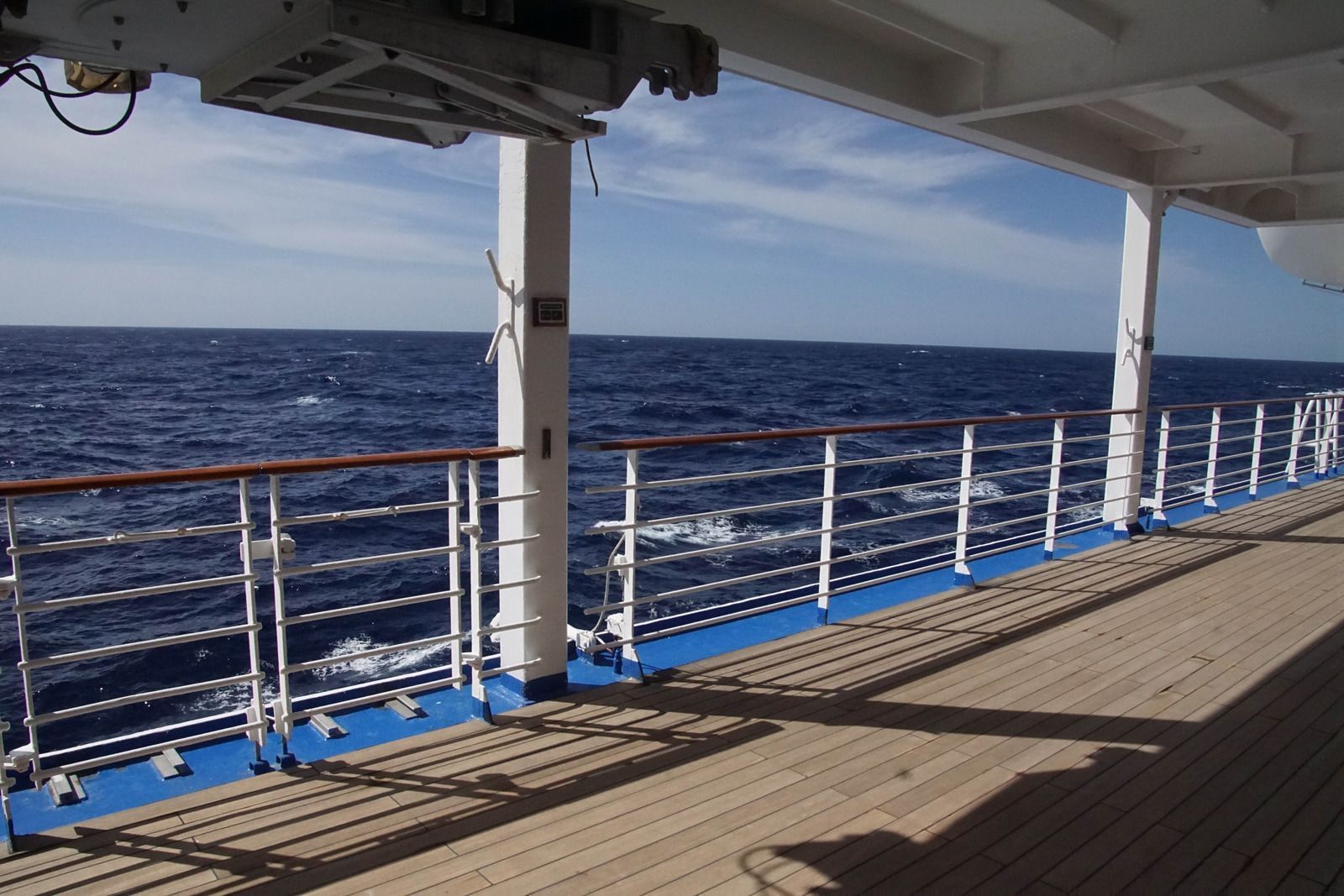
TOPSIDES
Decks and Topsides
Non-skid surfaces trap dirt in their texture and need working rather than rinsing. Gunwales, foredecks, and swim platforms get cleaned to the edges, including the sections under fittings and cleats.
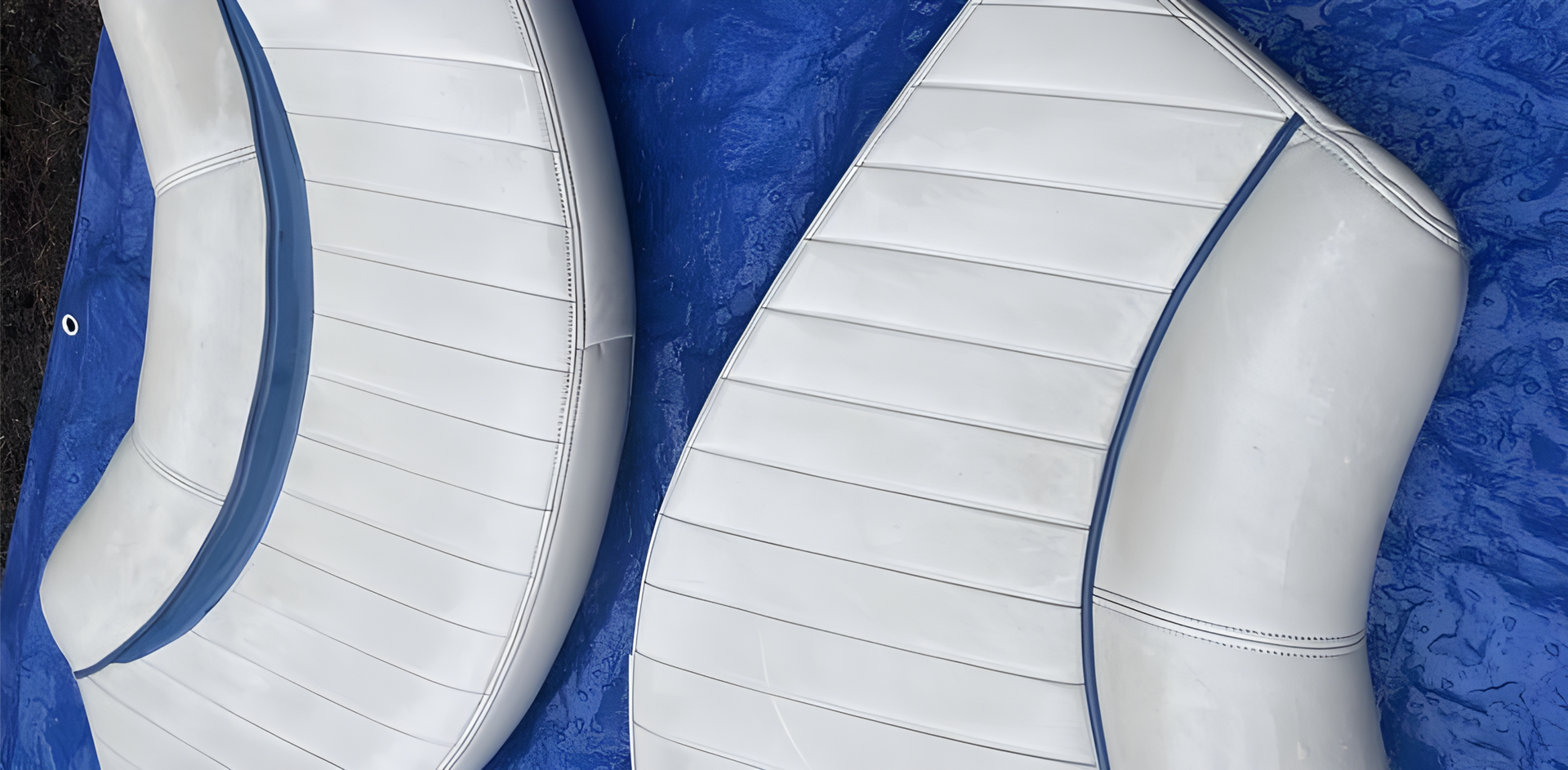
INTERIOR
Cabins and Seating
Cockpit surfaces, seating, storage lockers, and cabin spaces are cleaned with products safe for vinyl and upholstery. Mildew starts in exactly these places during layup and is easiest to remove early.
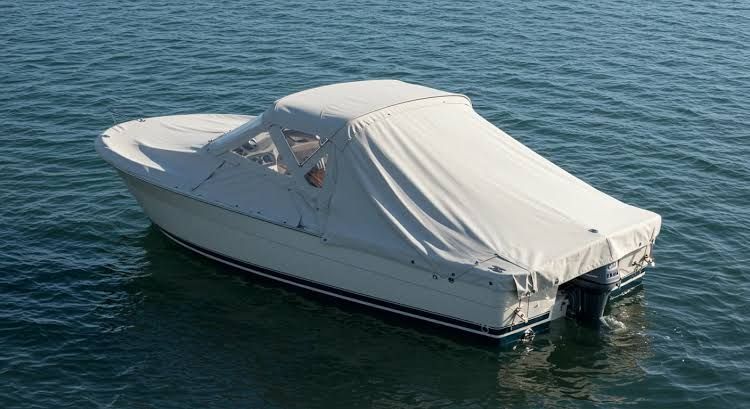
CANVAS
Canvas, Covers, and Bimini
Coated fabric is easy to damage and easy to smear if the pressure is wrong. Covers, biminis, and enclosures get low pressure and the right cleaner so the coating survives the wash.
TRAILER
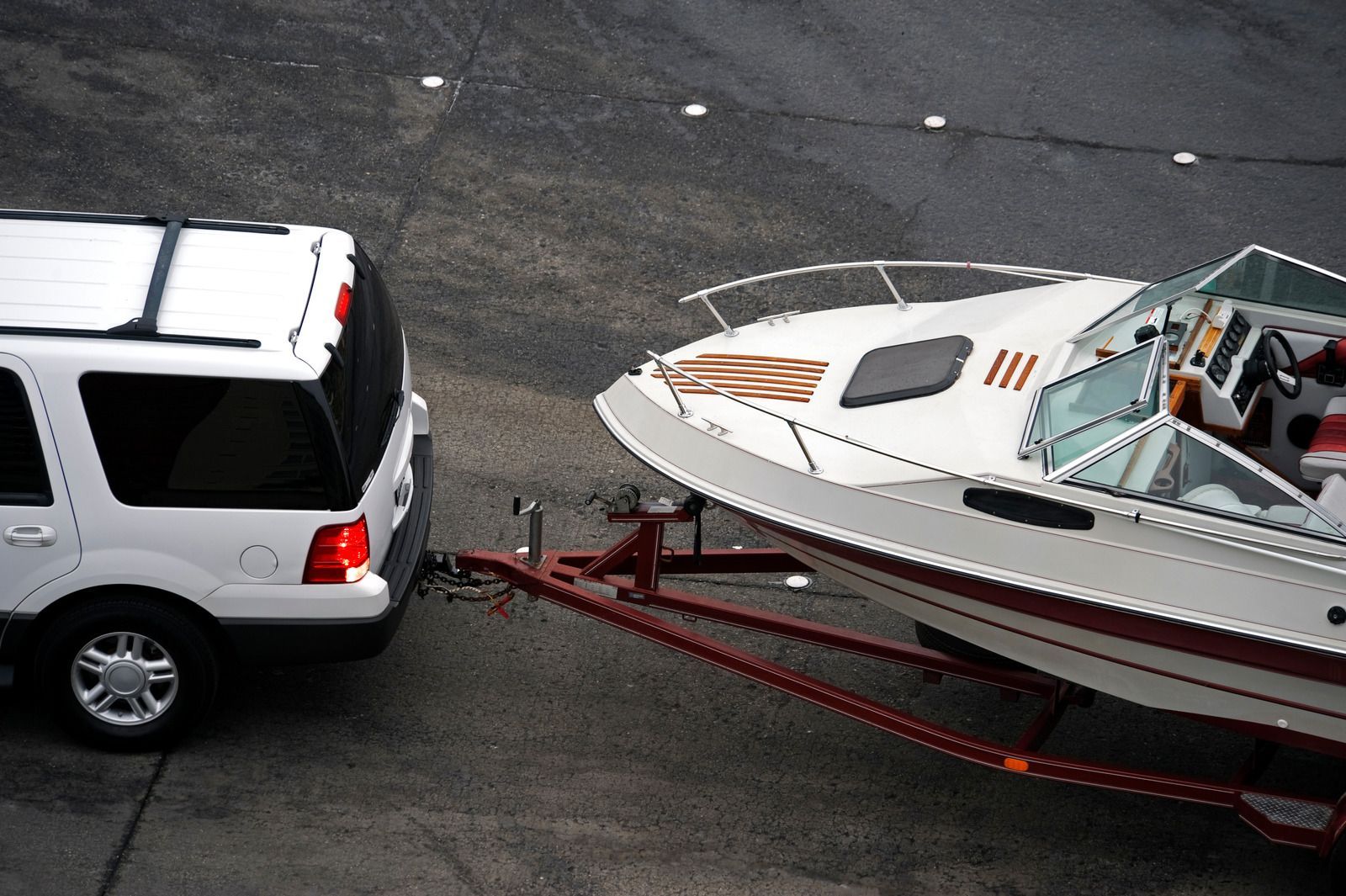
Trailer and Running Gear
Frames, fenders, and wheels collect road salt and boat ramp grime that quietly corrodes them. Cleaning the trailer with the boat protects the part that carries everything else you own.
SEASONAL
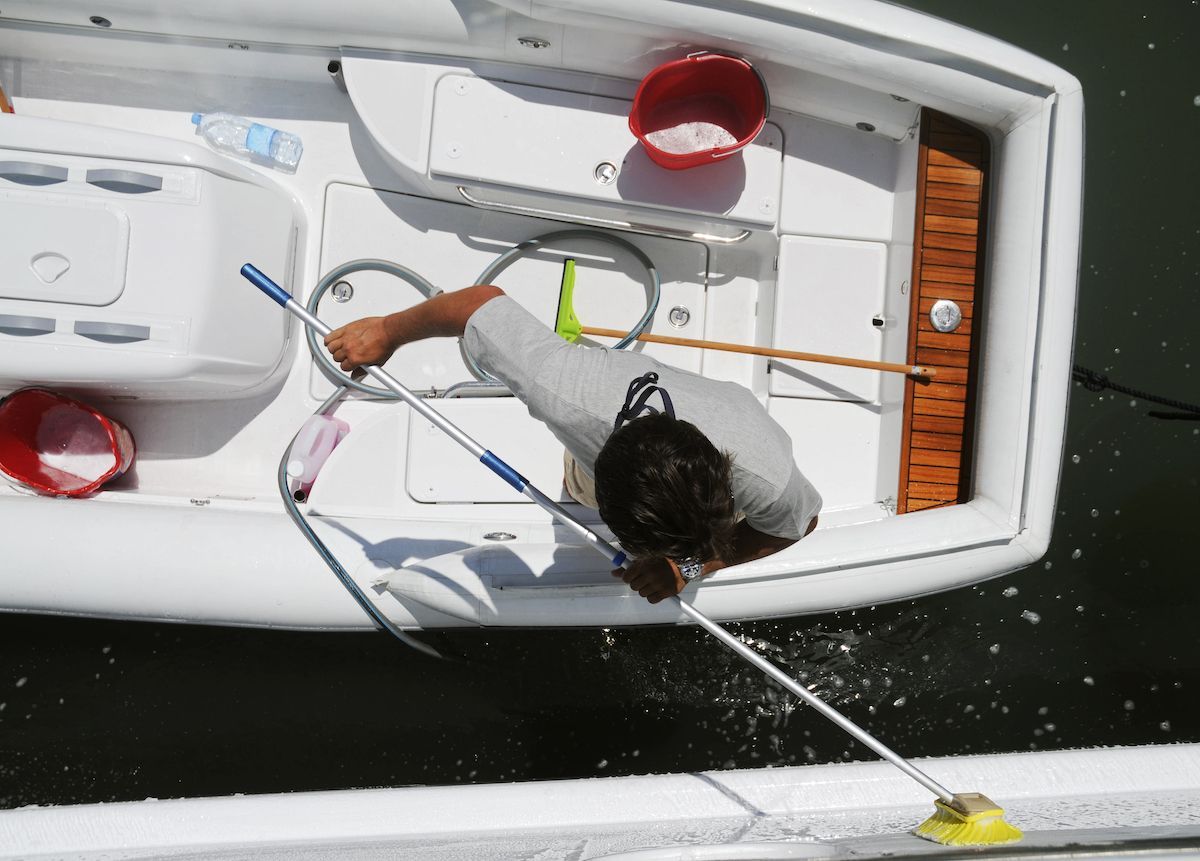
Layup and Spring Cleans
An end-of-season wash before storage stops grime setting through winter, and a spring clean gets everything ready for launch. Booking both is the practical rhythm for a boat used here.
THE WORD ON OUR WORK
WHAT OUR CLIENTS SAY.
Boat owners are the most particular customers we have, which suits us. The feedback that matters is when someone says the gelcoat still looks right, or that the waterline finally came off without the hull losing its shine in the process.
Common Questions
FREQUENTLY ASKED QUESTIONS.
Boat questions come down to safety of the finish, timing around the season, and what happens to the interior. Here is what we tell owners who ask.
Are boats and RVs washed differently from houses and concrete?
Yes. Boats and RVs carry gelcoat, painted finishes, graphics, decals, seals, and vents that the wrong pressure will damage. We adjust the method around those sensitive areas rather than treating the whole thing as one surface.
Can you remove waterline staining from my hull?
Usually a great deal of it. That band responds to a dedicated treatment and dwell time rather than more pressure. Staining left through several seasons may lighten considerably rather than vanish completely.
Will washing damage my decals or vinyl wrap?
Not the way we work. Edges are the vulnerable point, so they get hand-attention instead of a trigger held close. Tell us about any existing lifting or repairs and we will work around them.
How many times a season should a boat be washed?
At least once or twice a season, along with a wash before winter storage. Grime left to set through a long offseason bonds to gelcoat and becomes considerably harder to remove the following spring.
Do you clean the interior as well as the hull?
Yes. Cabins, seating, storage lockers, and cockpit surfaces are included, using products safe for vinyl and upholstery. Interior mildew from layup is easiest to deal with before it establishes properly.
Can you wash my boat on the trailer at my house?
That is how most of this work happens. River City Pressure Washing services boats on trailers, in driveways, and at storage across Post Falls, ID, provided there is water access and room to work.
Will cleaning fix oxidation or dull gelcoat?
Cleaning removes what sits on the surface. Genuine oxidation is degraded gelcoat and needs compounding or polishing to correct, which is a different job. We will tell you which one you are looking at.
Should the boat be washed before an inspection station?
Cleaning, draining, and drying a watercraft is required practice in Idaho, and arriving clean makes the process faster. It is also simply good stewardship of the lakes River City Pressure Washing works beside in Post Falls, ID.
HOW WE WORK
FROM A LONG OFFSEASON TO LAUNCH READY, HERE IS HOW.
STEP 01
Look Over the Boat
We walk the hull and interior, note gelcoat condition, graphics, wraps, seals, existing repairs, and where staining is heaviest. Anything already compromised gets recorded before a drop of water is used. You tell us about anything we should avoid entirely.
STEP 02
Quote by Length
The written price reflects length, condition, whether the interior and canvas are included, and how bad the waterline is. Anything we expect will not fully lift gets said before you agree. No figure changes once the work has started.
STEP 03
Set Up and Protect
Electronics, open hatches, and vents get closed or covered, and the work area is arranged so runoff can be controlled. Trailer position is adjusted to reach the whole hull properly. Nothing open stays open once we begin.
STEP 04
Treat the Waterline
The stained band gets its dedicated treatment and time to work. This is done first so it can dwell while the rest of the boat is being washed, rather than being rushed at the end.
STEP 05
Wash by Surface
Hull, topsides, non-skid, canvas, and trailer each get their own pressure and product. Edges around decals, seals, and fittings are worked by hand where a spray pattern would be too blunt. One setting across a whole boat is how damage happens.
STEP 06
Dry and Walk It
Surfaces get dried down so nothing spots, interiors are finished, and we go over the boat with you. Anything short of what you expected is addressed before the trailer moves. You look it over before it goes back into storage.
Get Your Free Estimate
HAVE THE BOAT READY BEFORE THE FIRST GOOD WEEKEND, FREE.
Spring fills up fast around these lakes. Send the make, length, and where it is stored through the contact form and we will price the hull, interior, and canvas in writing at no charge.
WHAT YOUR BOAT WASH COVERS:
- Written estimate by length and condition
- Pressure and chemistry safe for gelcoat
- Waterline treated with proper dwell time
- Decals, seals, and edges hand-worked
- Interior and canvas if you want them
- Our 100% satisfaction guarantee