

Wood Cleaning & Staining
WOOD CLEANING & STAINING IN Post Falls, ID
Thompson's WaterSeal requires a minimum 48-hour dry after washing, surface and air temperatures above 50 degrees during application and for 48 hours afterward, and no rain within 24 hours. Those four conditions have to line up at once, which is why timing decides a stain job more than product does. River City Pressure Washing cleans, dries, and then finishes decks, fences, railings, pergolas, and exterior wood right across Post Falls, ID on exactly that schedule, never on a compressed one.
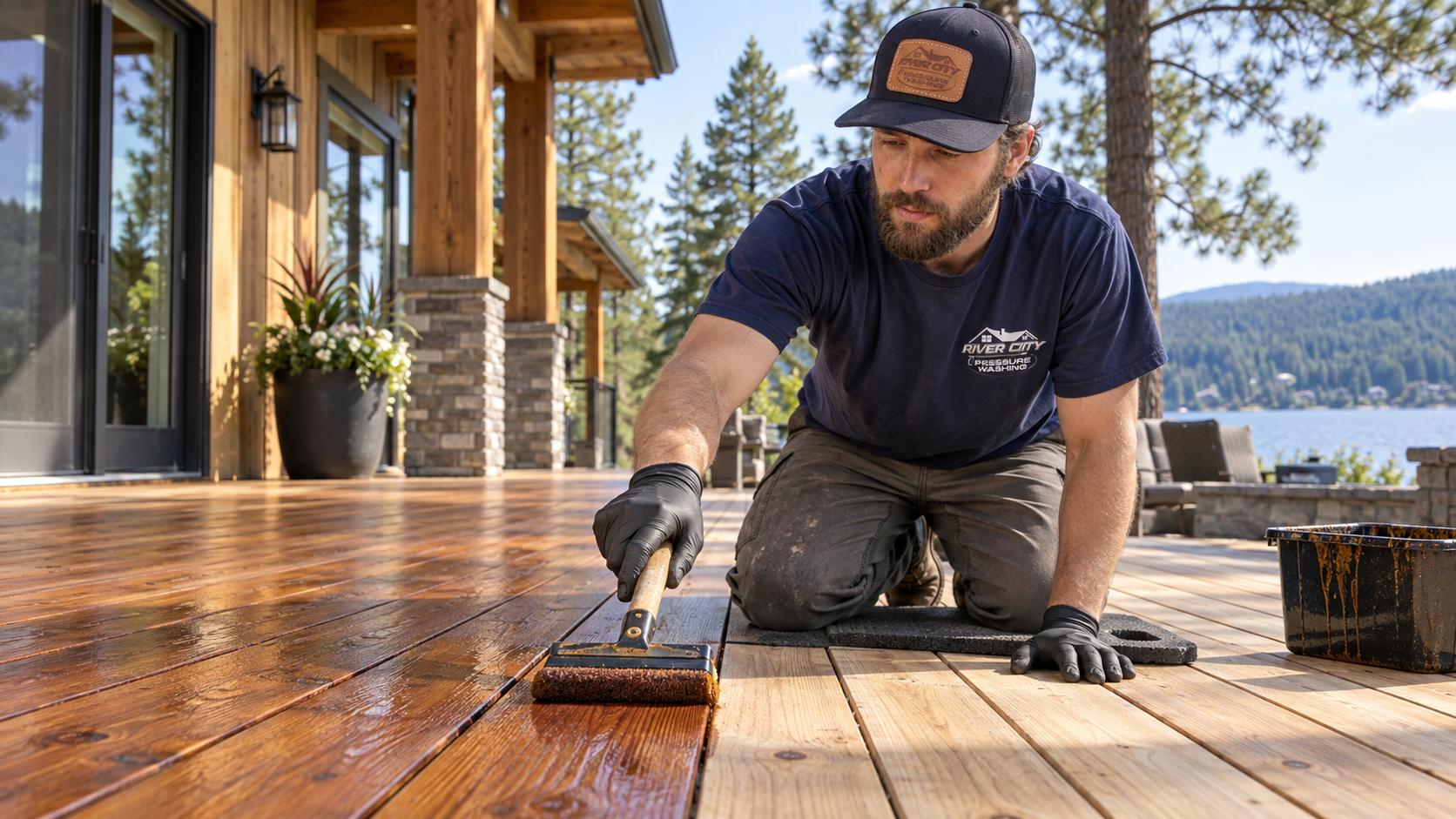
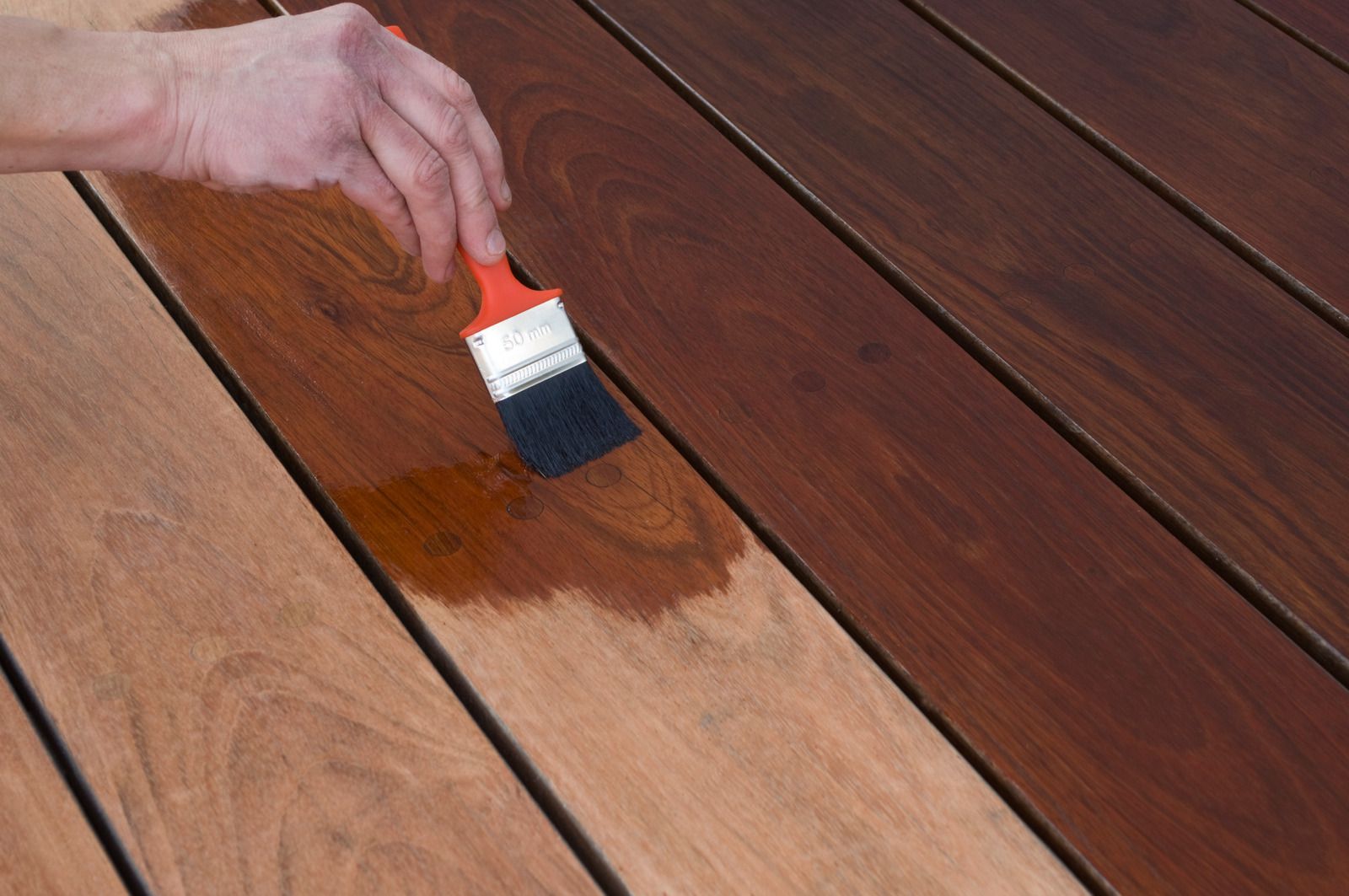
STAIN DOES NOT FAIL. PREPARATION FAILS.
A peeling finish is almost never the product's fault, whatever the person who applied it decides to tell you. It went onto wood that was still holding moisture, or over growth that was never actually killed, or across weathered surface fibers that had no structure left to hold a coating. The stain did exactly what it was always going to do.
Getting it right is unglamorous. Clean thoroughly, wait properly, check the moisture, then apply. The waiting is the part people skip, and it is the part that decides everything.
- Clean, dry, then stain, in that order
- Minimum 48-hour drying window respected
- Weather checked before any product opens
- Even penetration rather than surface film
WOOD CLEANING & STAINING
UNPROTECTED WOOD IS LOSING GROUND EVERY SEASON.
Bare exterior wood does not hold still. Ultraviolet light breaks down surface lignin and turns it gray, water swells and shrinks the fibers with every wet and dry cycle, and organic growth colonizes whatever texture that creates. Each season leaves the surface slightly rougher and slightly more absorbent than the last. A finish stops that clock. It is why a stained deck at 10 years can look better than an unstained one at 4.
OUR WEATHER GIVES YOU A NARROW WINDOW.
Post Falls sits between a last frost around May 1 and a first frost around October 11, and stain needs above 50 degrees during application and through the 48 hours that follow. Rain inside 24 hours ruins a fresh coat. realiztically that leaves late spring through early fall, minus the wet stretches, which is why staining work here is scheduled around forecasts rather than around convenience.
PATIENCE IS THE SKILL NOBODY ADVERTISES.
Anyone can roll stain onto boards. Knowing when the wood is ready is the harder part, and it is where most jobs go wrong. Boards feel dry on top while still carrying moisture underneath, especially cedar and anything shaded. 8+ years of staining exterior wood here, and the drying window is still the one part of the job we flatly refuse to rush. We would rather come back a day later than put a finish on wood that will reject it, and we will say so when the forecast means waiting. Have you had a finish fail before?
WHY CHOOSE US FOR WOOD CLEANING & STAINING.
FINISH THAT HOLDS
Applying over properly dried, properly cleaned wood is what makes a coating last years instead of seasons. The preparation costs a day and saves you an entire repeat job.
EVEN COLOR
Stain penetrating uniformly gives consistent tone across every board. Patchy color almost always means the surface was inconsistent underneath, not that the product was mixed badly.
GRAY REVERSED
Cleaning removes the oxidized surface layer and brings back the wood underneath. People consistently underestimate how much color is sitting just below what they have been looking at.
WATER TURNED AWAY
A sound finish sheds water instead of letting it soak into the grain. That is what slows the swelling, shrinking, and splitting cycle that ages unprotected wood fastest here.
ONE CREW THROUGHOUT
The same people clean, check, and stain, so nothing gets handed off with assumptions about whether the wood was ready. Accountability stays in one place from start to finish.
TIMING DONE HONESTLY
If the forecast will not support a finish, we reschedule rather than push ahead. Getting paid a week later beats returning next spring to strip a coating that never had a chance.
WHAT WE FINISH
OUR WOOD CLEANING AND STAINING WORK
Every exterior wood surface ages in much the same way and wants the same working sequence. Here is what we clean and finish, and how the process shifts from one structure to the next.
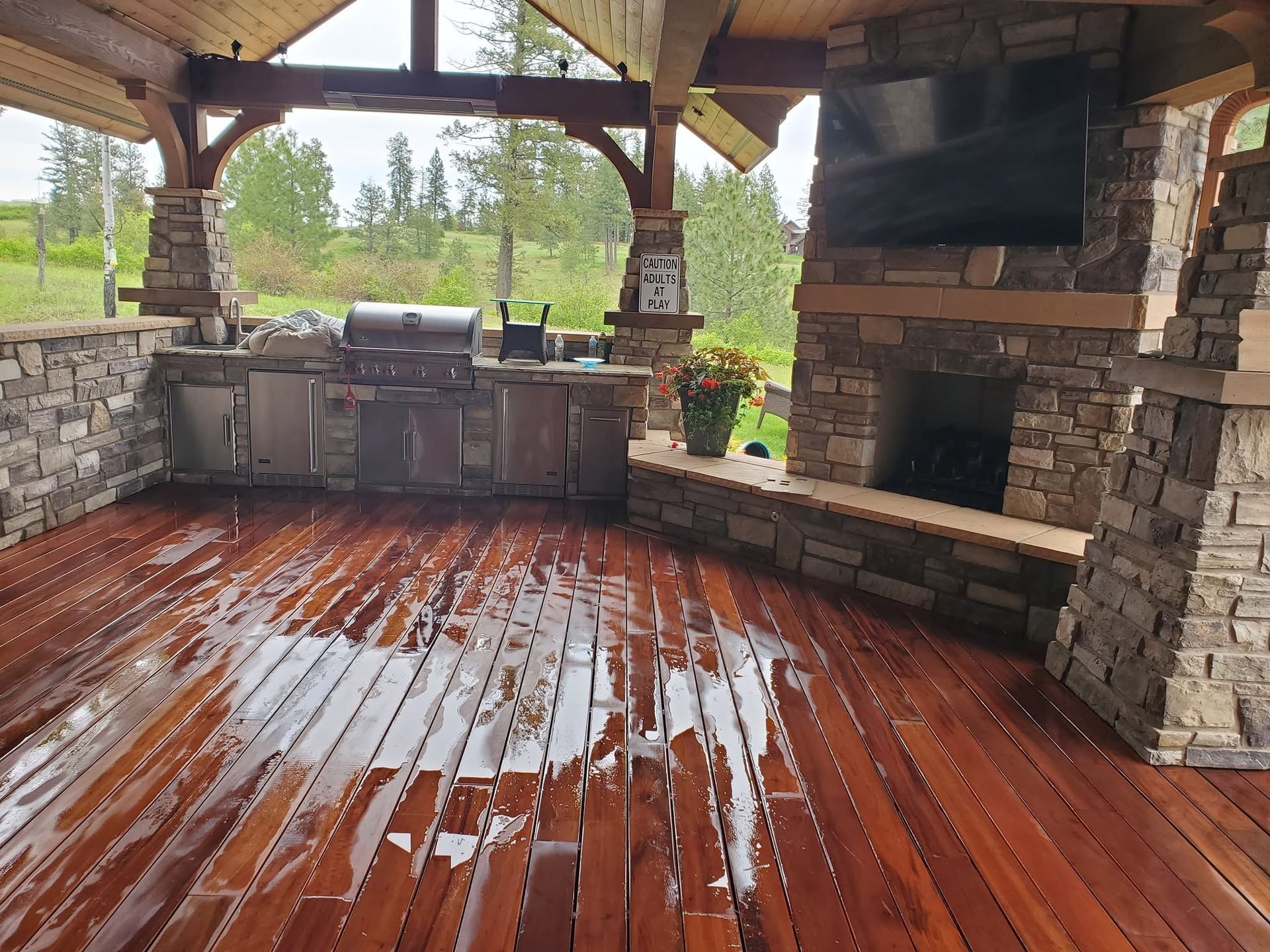
DECKS
Deck Cleaning and Staining
Boards, gaps, railings, and stairs are cleaned, dried, and finished as one job. Horizontal surfaces take the most ultraviolet and standing water, so they are where a coating earns its keep fastest.
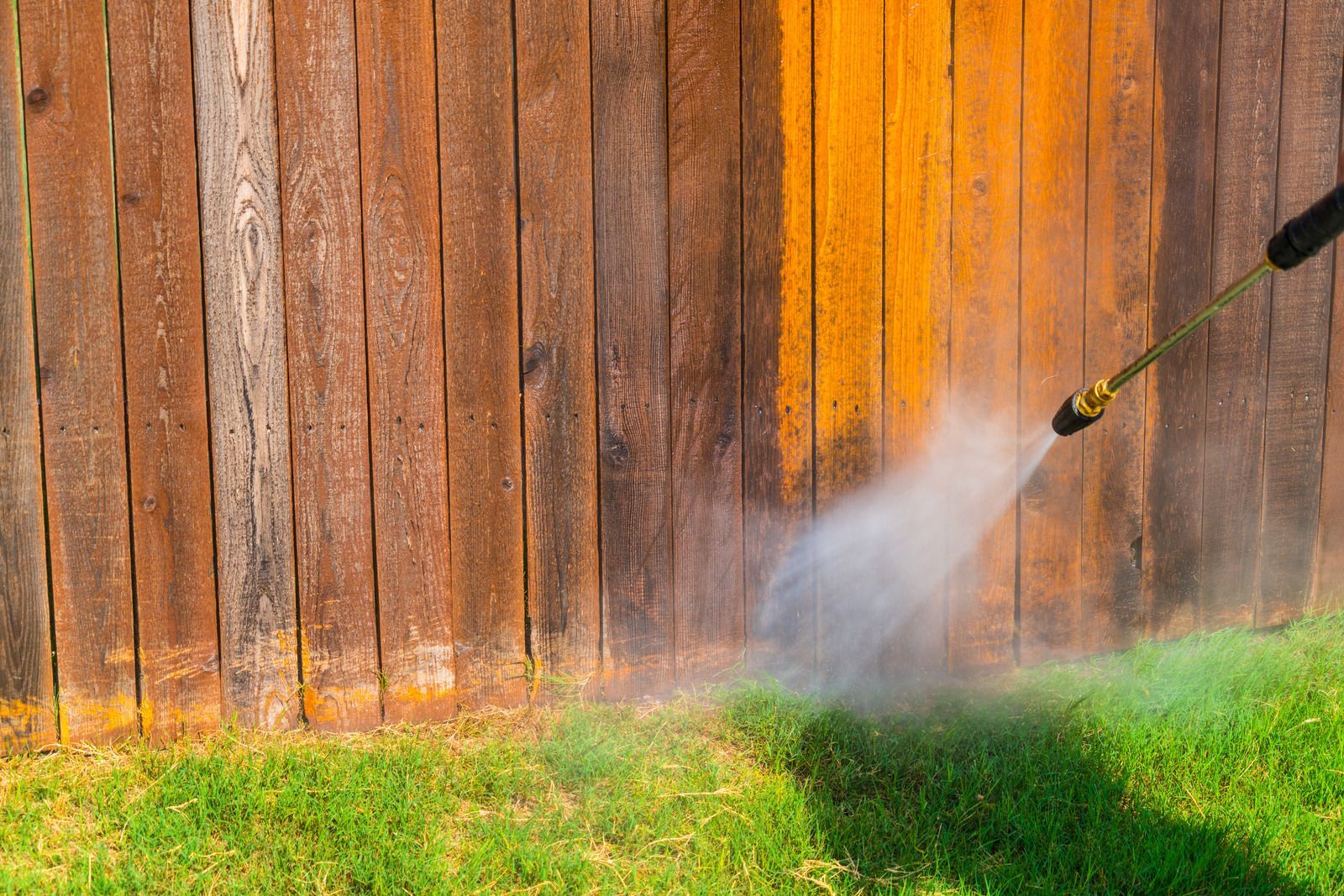
FENCES
Fence Cleaning and Staining
Long runs get cleaned and finished with consistent tone from end to end. Both faces are done where access allows, since an unfinished side weathers faster and pulls the whole run out of match.
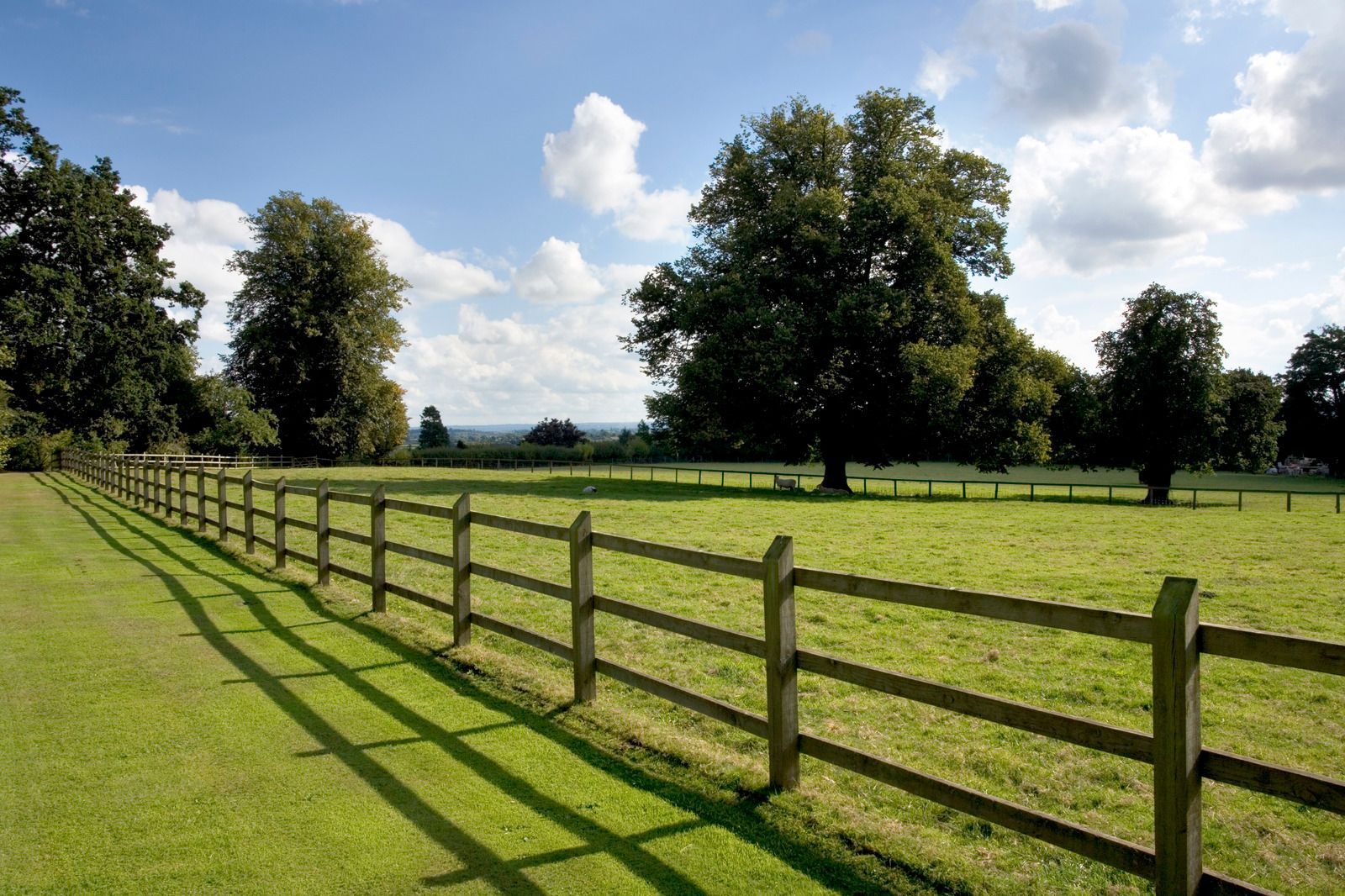
RAILINGS
Railings, Posts, and Trim
Balusters, caps, posts, and exterior trim have many faces and get missed easily. Each is cleaned and coated individually, because a rail finished on three sides fails first on the fourth.
STRUCTURES
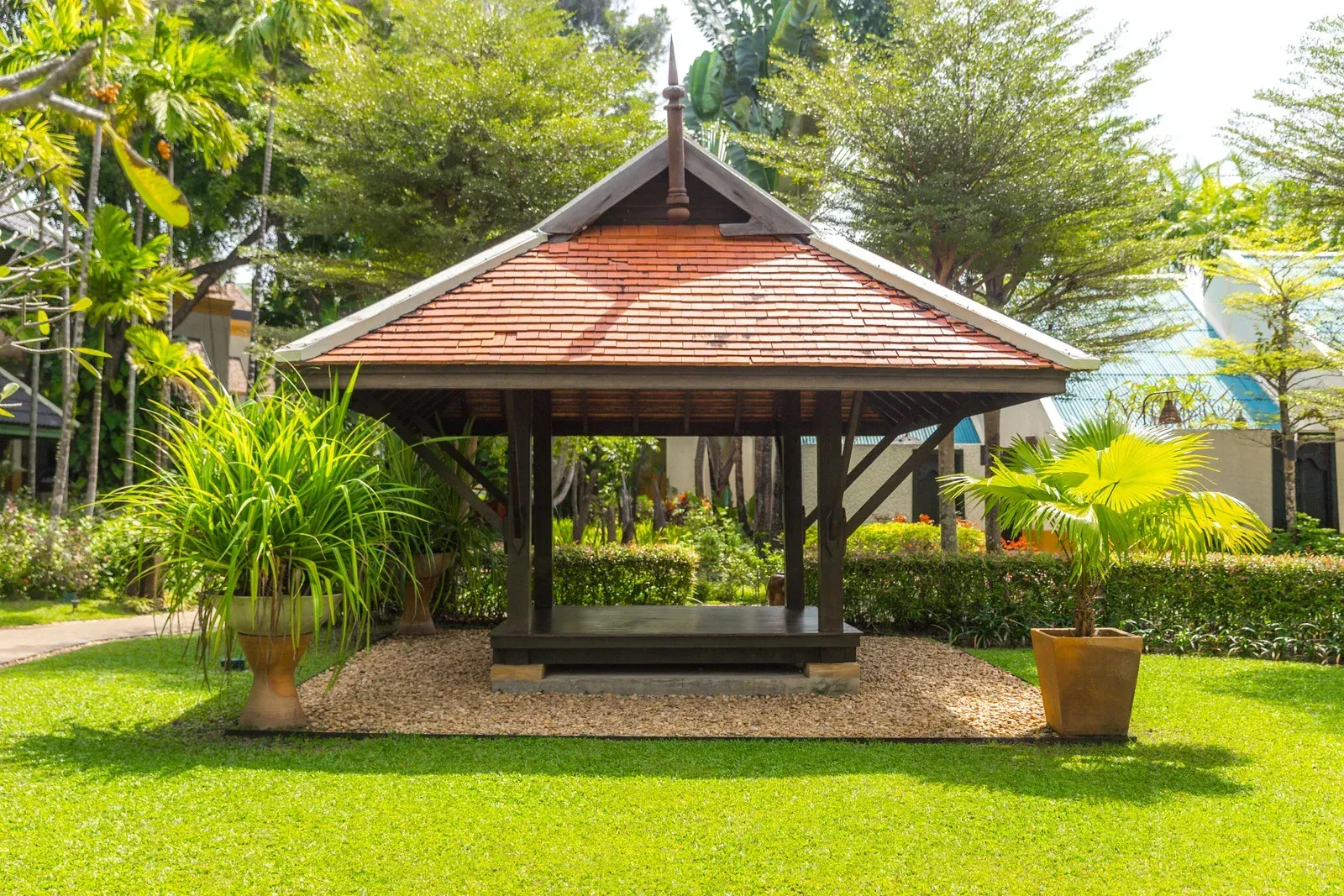
Pergolas, Gazebos, and Arbors
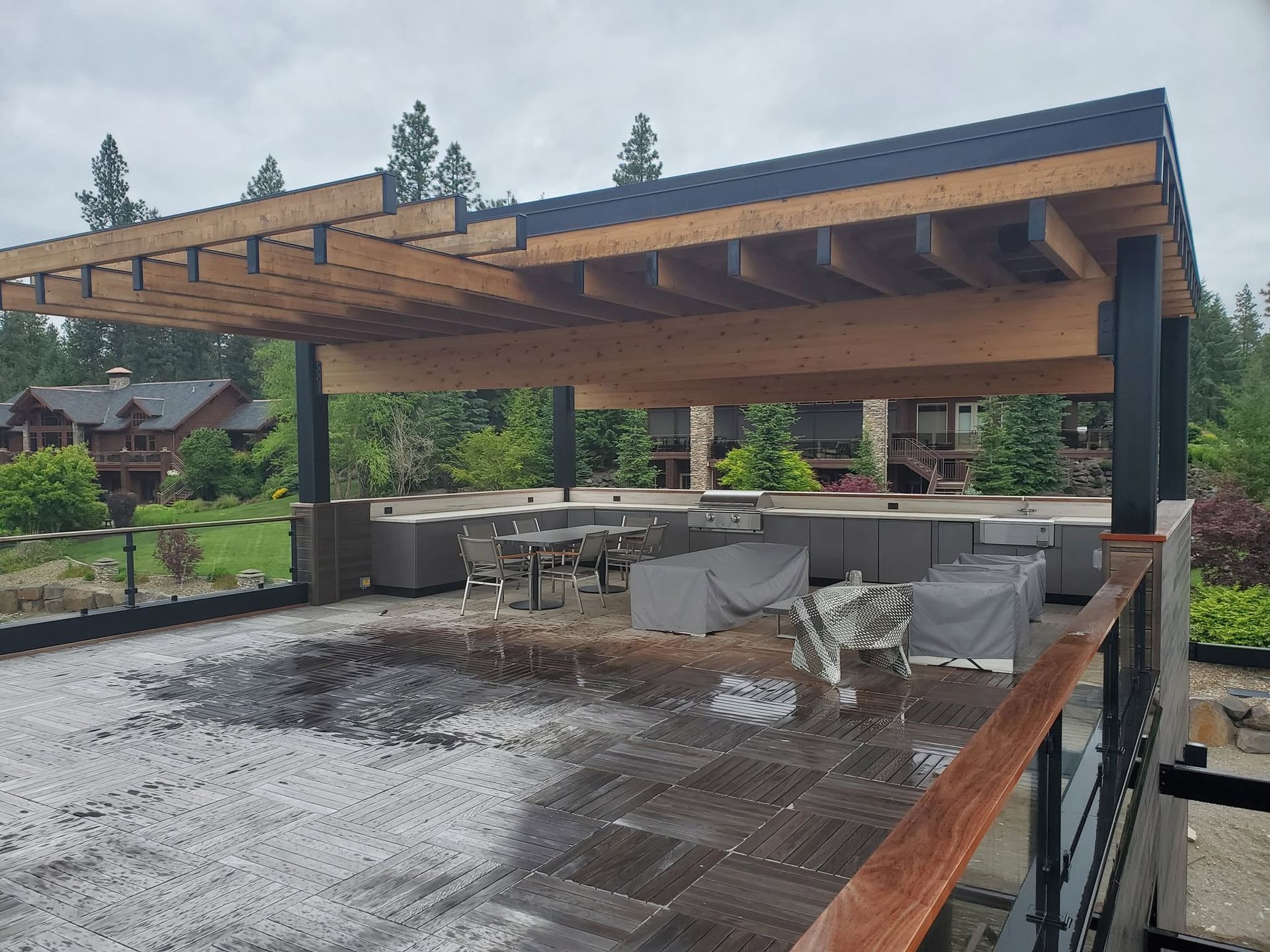
Overhead timber carries direct sun on top and shaded damp underneath, which ages the two faces at different rates. Both get treated, including the beam undersides most finishing work skips.
SIDING
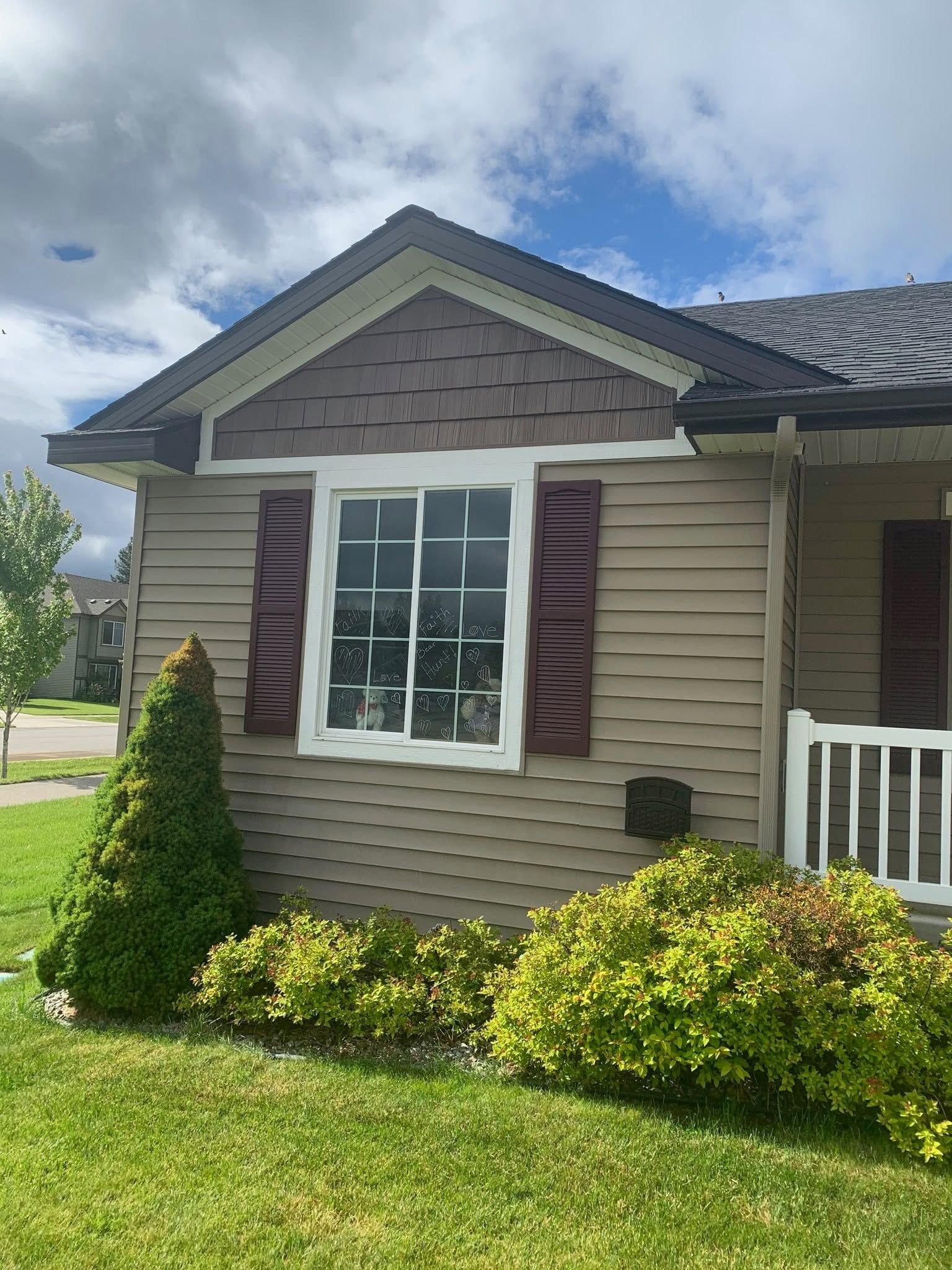
Cedar Siding and Shakes
Natural wood siding and shake walls need low-pressure cleaning and careful drying before any coating goes on. Vertical surfaces shed water better than decks do, but they show uneven application far more obviously.
FURNITURE
Outdoor Wood and Features
Benches, planters, playsets, raised beds, and garden structures are cleaned and finished alongside the larger work on the same visit. Small pieces weather quickest, because nothing shelters them from any direction at all.
THE WORD ON OUR WORK
WHAT OUR CLIENTS SAY.
Staining feedback arrives later than the rest, usually a season or two on, when the finish is still doing its job. The comment we value most is that a deck we finished still beads water, because that is the only real measure of whether the preparation was done right.
Common Questions
FREQUENTLY ASKED QUESTIONS.
Staining questions are almost entirely about timing, and about why a previous finish failed sooner than anyone expected. Here is what we tell people who ask.
How long does wood need to dry after washing before staining?
Manufacturers specify between 24 and 48 hours as a minimum, and cool, humid, or shaded conditions extend that. The wood needs to be dry through rather than dry on the surface, which is not the same thing.
Why did my last stain job peel?
Almost always because it went on over wood that was still damp, over growth that was never killed, or over an old coating that had already lost adhesion. The product usually gets blamed unfairly.
Do I have to strip the old finish first?
Only if it is still sound. Flaking, failing coating comes off during cleaning, but an intact film needs a dedicated stripper before new stain can penetrate. We assess which situation your wood is in.
How often should a deck or fence be restained?
Horizontal surfaces generally want refinishing every two to three years and vertical ones last longer. Sun exposure, foot traffic, and how well the original preparation was done all move that number considerably.
Can you stain in the fall?
Yes, while temperatures stay above 50 degrees through application and the 48 hours after. River City Pressure Washing watches the Post Falls, ID forecast closely, since a cold night can undo a good day's work.
What is the difference between a stain and a sealer?
A sealer is largely clear and mainly repels water. A stain adds pigment, which also blocks ultraviolet light, so it protects the wood from graying as well as from moisture and generally lasts longer.
Will staining hide cracks and old damage?
No. Pigment changes color, not condition. Splits, cupping, and soft boards stay exactly as they are, and River City Pressure Washing flags them across Post Falls, ID before any product is opened.
How long before I can use the deck again?
Usually a day for foot traffic and longer before furniture goes back, depending on product and weather. Rushing that step is how a fresh finish picks up marks it keeps for its entire life.
HOW WE WORK
FROM WEATHERED WOOD TO A FINISH THAT LASTS, HERE IS HOW.
STEP 01
Assess the Wood
We check the species, the moisture level, any existing coating, the weathering depth, and whether sanding is needed. That determines cleaning method, drying time, and whether stripping has to happen before anything else begins.
STEP 02
Quote Both Stages
Cleaning and staining are priced separately and clearly, with the product options explained in plain terms. You see exactly what the preparation involves rather than being handed a single number covering everything at once.
STEP 03
Clean and Prepare
Growth, gray surface fiber, and failing coating come off at pressure the wood can take. Where grain has been raised by earlier work, light sanding follows so the finish goes on smooth. The surface has to be right before anything else matters.
STEP 04
Wait for Dry
The wood is left alone for the full window, checked before anything opens, and extended if the weather or the readings say so. This is the step that decides whether the rest of the work matters.
STEP 05
Apply the Finish
Stain goes on evenly and is worked into the grain rather than laid over it, with attention to end grain, fastener heads, and undersides. Coverage is kept consistent so tone does not shift between sections.
STEP 06
Cure and Hand Back
The surface is left to cure before anything goes back on it, and we walk it with you once it has. You get plain guidance on when to use it and when to expect a refresh.
Get Your Free Estimate
GIVE YOUR WOOD A FINISH THAT SURVIVES WINTER, FREE.
Send the structure and rough dimensions through the contact form and we will price cleaning and staining separately, then find a weather window that will actually hold. Late spring and early fall book first.
WHAT YOUR STAINING QUOTE COVERS:
- Written estimate for cleaning and staining
- Full drying window before any product
- Sanding where grain has been raised
- Even application on every face
- Honest scheduling around the forecast
- Our 100% satisfaction guarantee