Boat Dock Cleaning
BOAT DOCK CLEANING IN Post Falls, ID
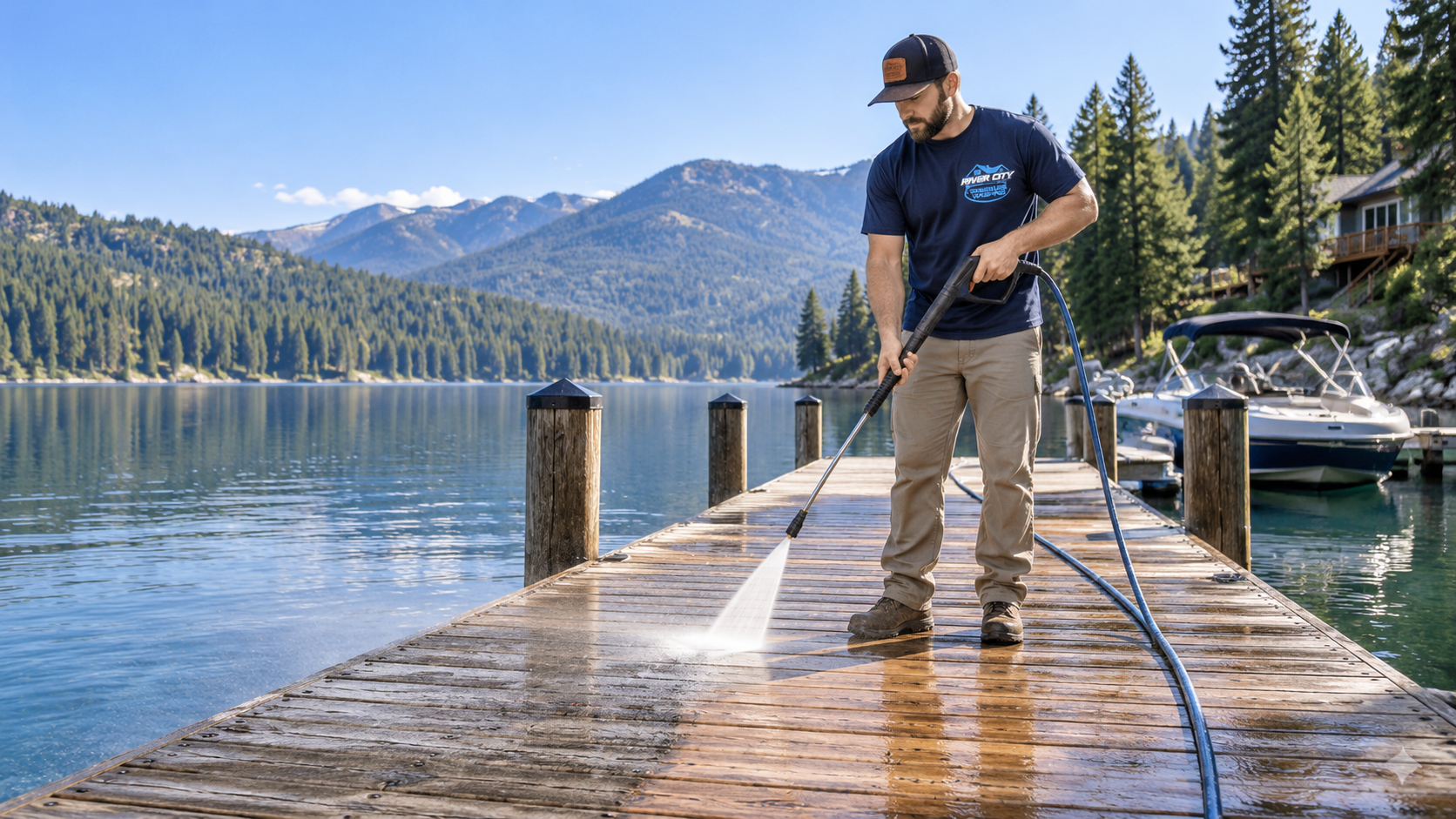
Idaho Department of Lands rules cap a single-family dock at 700 square feet of decking waterward of the high water mark, with no section wider than 10 feet and at least 25 linear feet of owned shoreline behind it. That is a small, permitted, hard-to-replace structure. River City Pressure Washing cleans private docks along Lake Coeur d'Alene, the Spokane River, and the smaller lakes around Post Falls, ID at pressure the wet boards can actually survive.
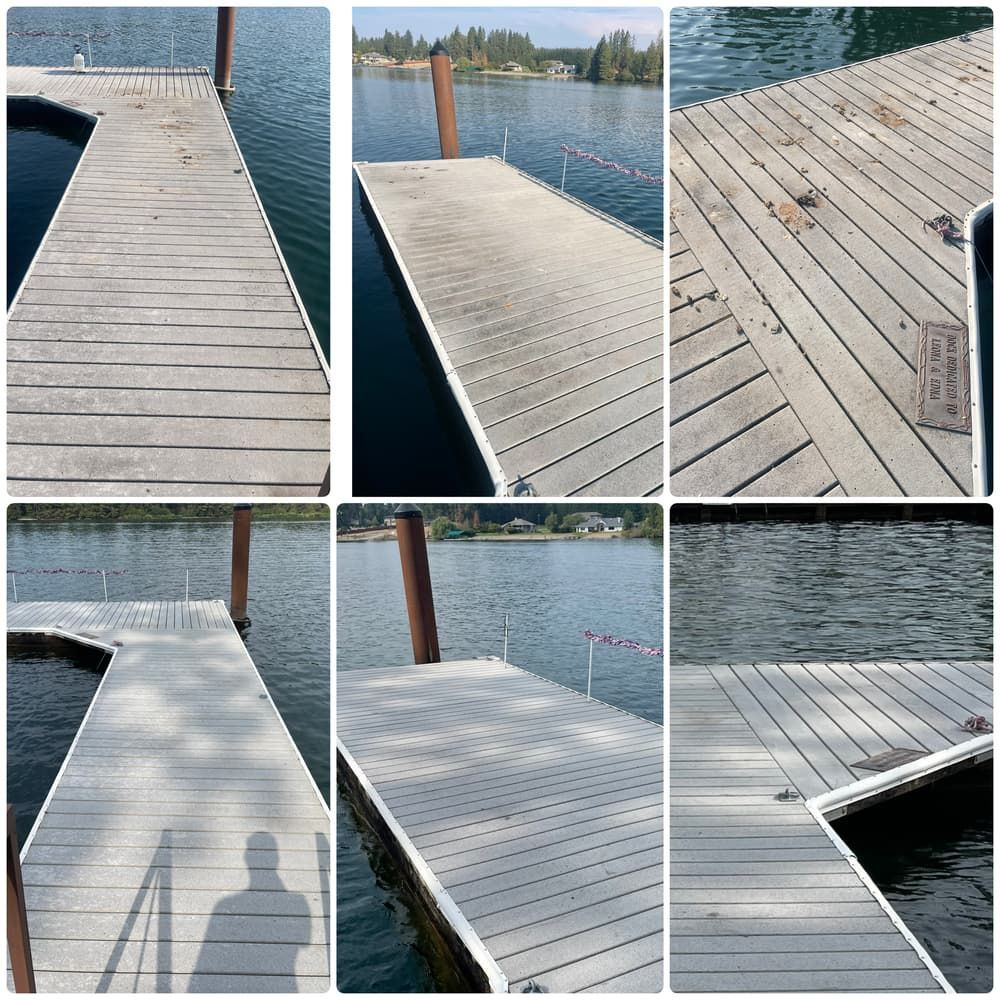
A DOCK IS WET WOOD. TREAT IT LIKE WET WOOD.
Decking that spends its life over water never fully dries, and permanently damp wood is softer than the same board on a patio. Pressure that would be routine on a driveway will chew a dock board, open the grain, and leave a surface that grows algae back faster than before.
So the pressure comes down and the chemistry does more of the work. It is slower, and it costs an extra half hour, and the boards are still there in five years.
- Low pressure on permanently damp decking
- Method changed for wood, composite, or aluminum
- Loose and rotting boards identified first
- Runoff and lake proximity accounted for
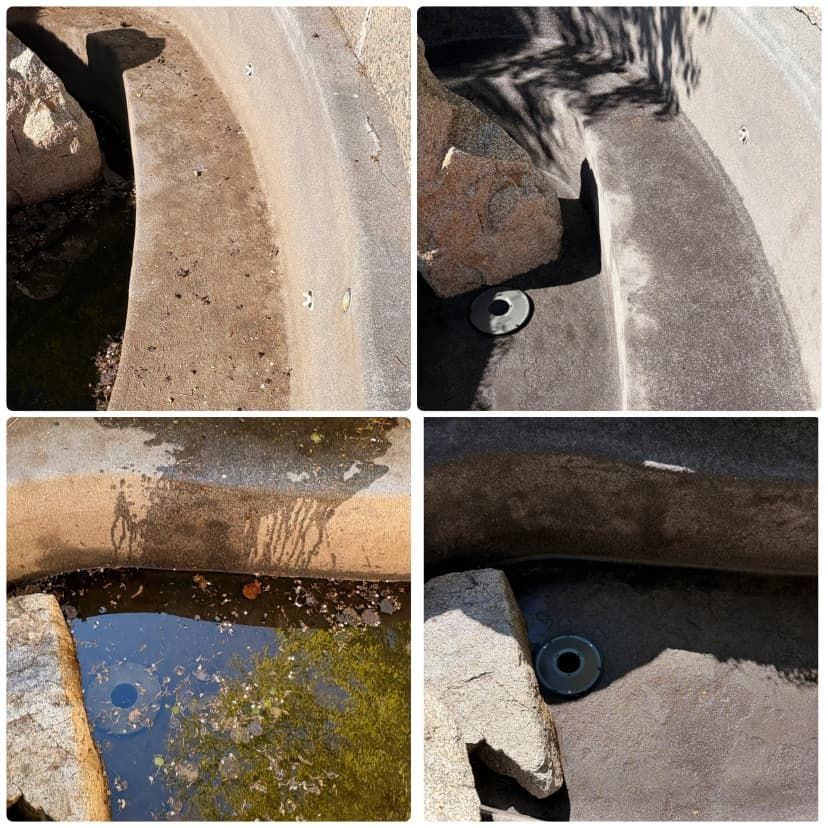
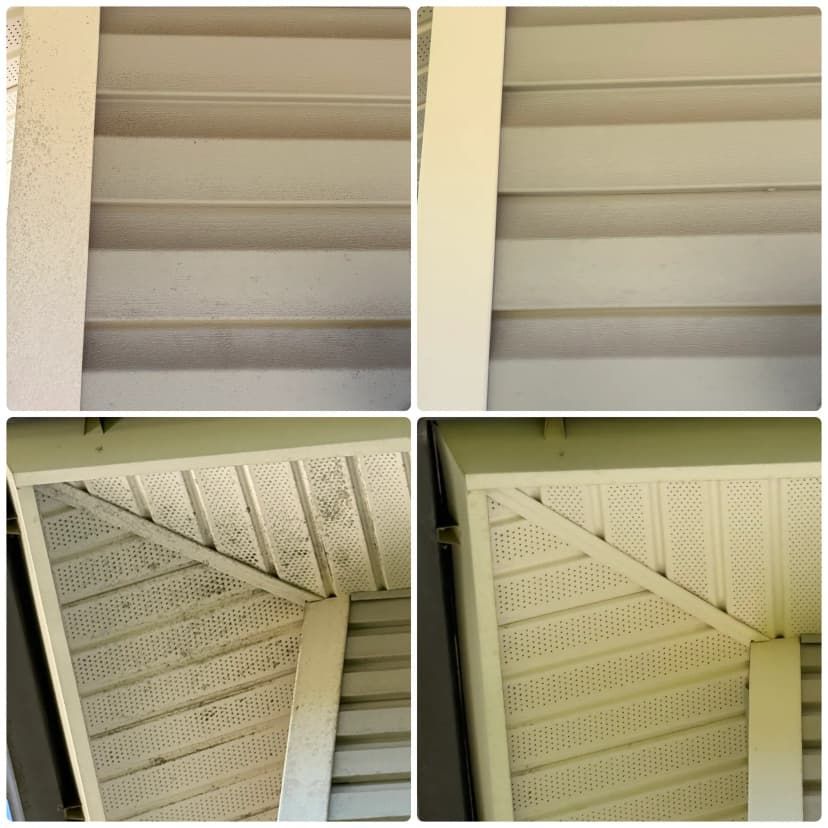
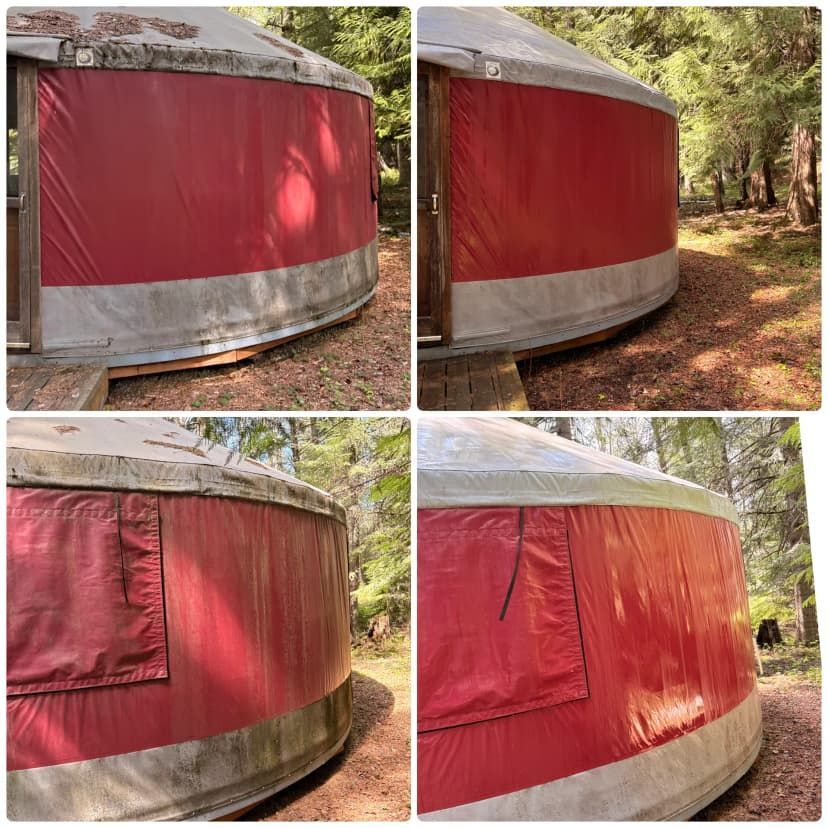
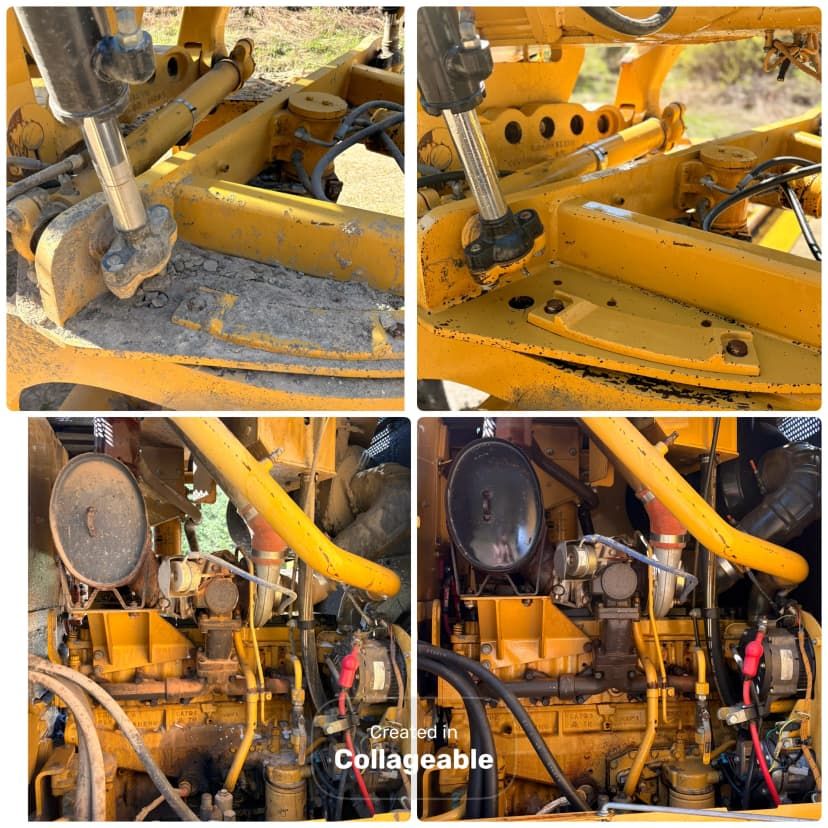
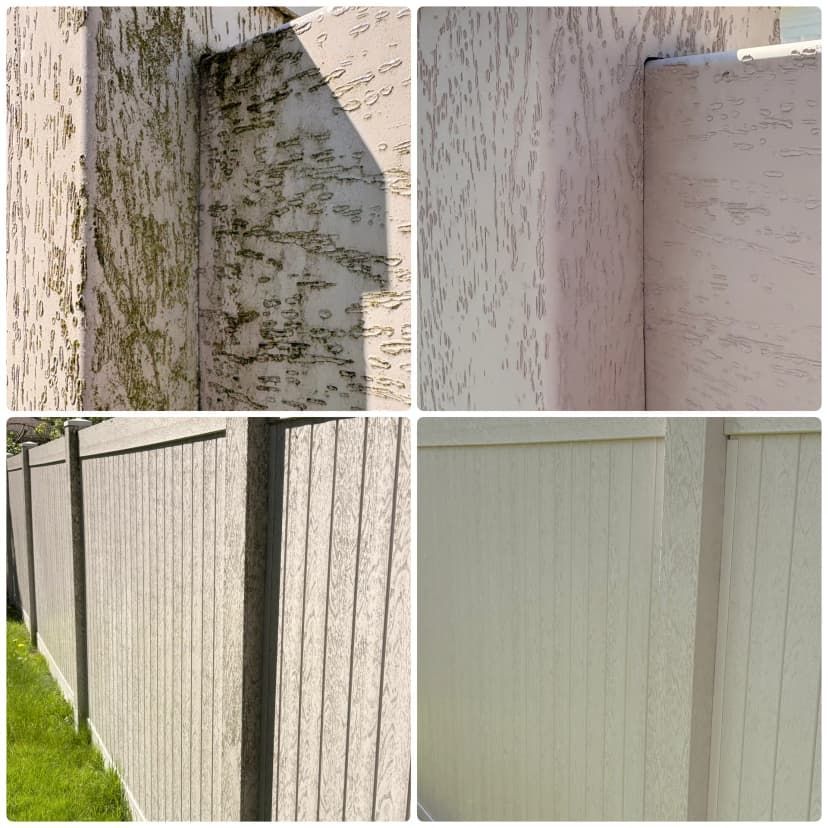
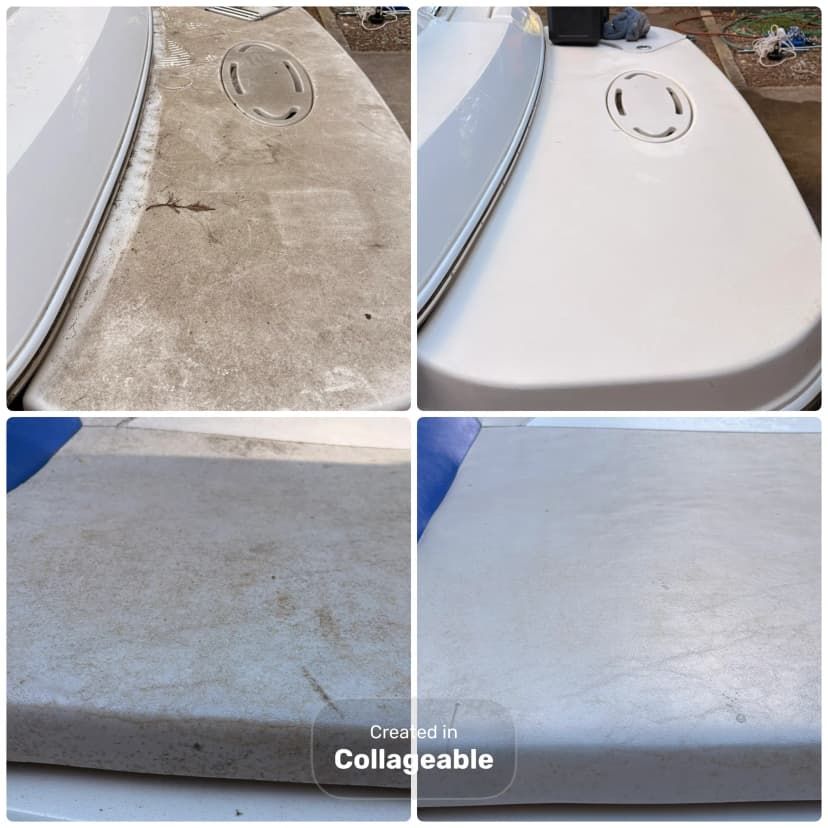
BOAT DOCK CLEANING
THE SLICK PART IS THE DANGEROUS PART.
Dock algae is not a cosmetic issue. A wet, biofilmed board has roughly the traction of an ice rink, and it sits directly beside deep water, usually where people are carrying coolers, kids, and gear with both hands full. Add goose mess and it gets worse. Cleaning a dock is a safety task first and a curb appeal task second, which is why we push people to book before the season starts.
LAKE COEUR D'ALENE PROPERTY LIVES WITH THIS ALL YEAR.
The lake runs 25 miles long with more than 109 miles of shoreline, and every foot of it is a growth environment. Docks around Post Falls, ID, Coeur d'Alene, Hayden Lake, and Spirit Lake sit in constant humidity, shaded by shoreline trees, with water levels moving through the year. Growth returns faster here than on any other surface we clean, which is why an annual pre-season clean is the realiztic schedule.
WATER TEACHES RESTRAINT OR IT TEACHES NOTHING.
You learn quickly around docks that force is the wrong instinct. Boards go soft where they meet the frame, fasteners loosen underwater, and a wand held wrong takes out material that has to be replaced under permit. Knowing where to ease off comes from having cleaned enough of them to have seen what happens otherwise. 8+ years of working over water has taught us that the safe pressure on a dock is always lower than most people would guess. We would rather leave a faint shadow on a board than leave a hole. Sound like the approach yours needs?
WHY CHOOSE US FOR BOAT DOCK CLEANING.
FOOTING RESTORED
Removing biofilm brings back the traction a wet board is supposed to have. That is the entire point beside deep water, and it matters more than how the decking looks in a listing photo.
DECKING PRESERVED
Damp wood damages easily under force. Keeping pressure low protects boards that are expensive, permitted, and awkward to replace, so cleaning extends the structure rather than shortening it.
READY BEFORE LAUNCH
A pre-season clean means the dock is safe and usable the first warm weekend, not sometime in July after somebody slips. Spring slots fill quickly, so early booking matters here.
METHOD PER MATERIAL
Cedar, treated lumber, composite, and aluminum each want a different approach. Treating them the same is how docks end up with fuzzed boards, chalked composite, or streaked metal decking.
PROBLEMS FLAGGED EARLY
Loose fasteners, soft boards, and separating sections turn up during cleaning. Knowing about them at the start of a season beats finding out with a guest standing on the bad one.
CAREFUL AT THE EDGE
Working beside open water means paying attention to what goes into it. Product choice, dilution, and rinse direction all account for the fact that the lake is one step away.
WHAT WE CLEAN
OUR BOAT DOCK CLEANING WORK
A dock is more than its decking, and our work extends to everything people touch and walk on getting down to the water. Here is what a full service covers on a typical private dock.
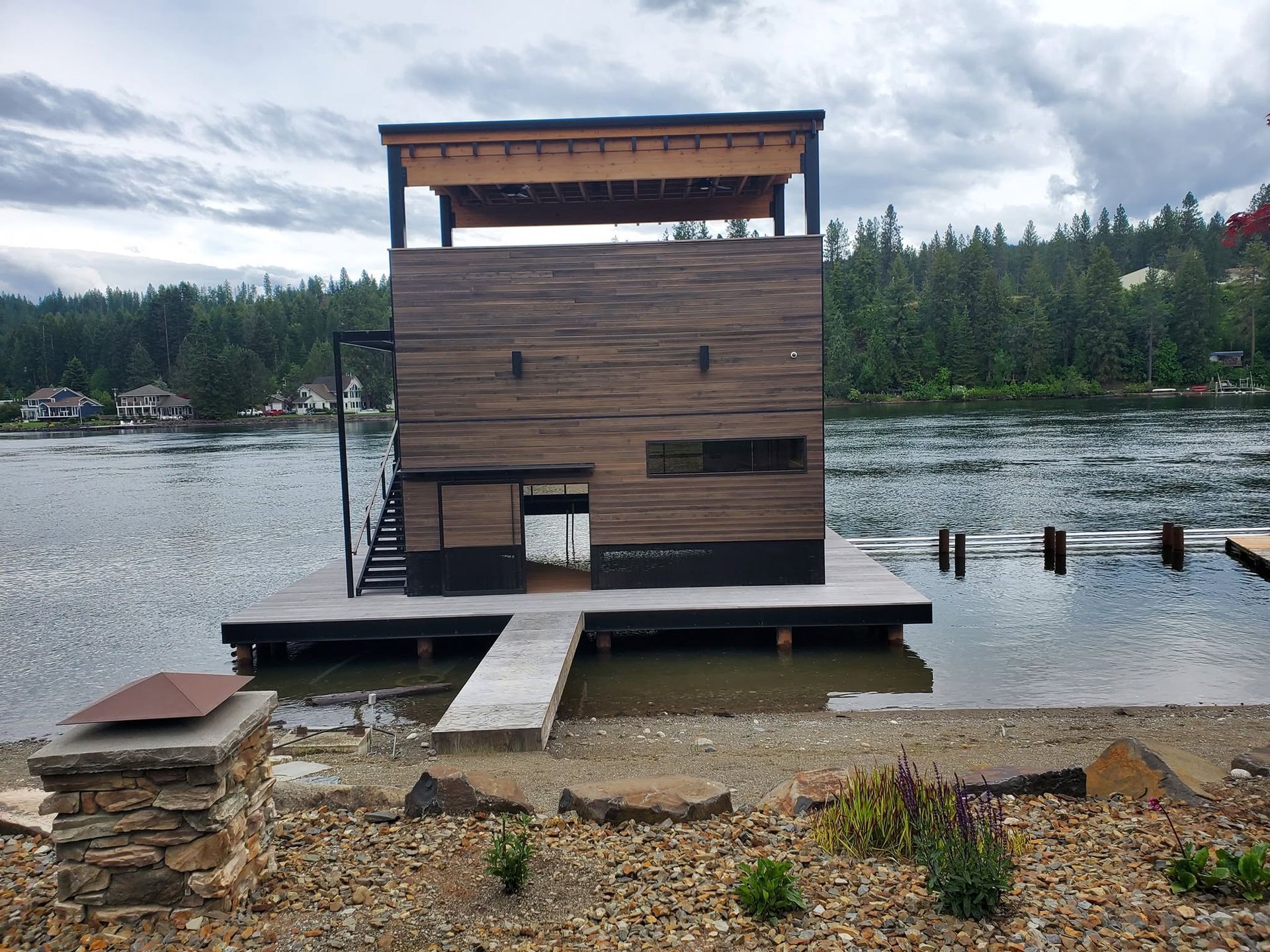
DECKING
Dock Boards and Walkways
The walking surface loses algae, waterline growth, and embedded grime at pressure the damp wood can take. Traction returns across the full run rather than only on the sections that are easy to reach.
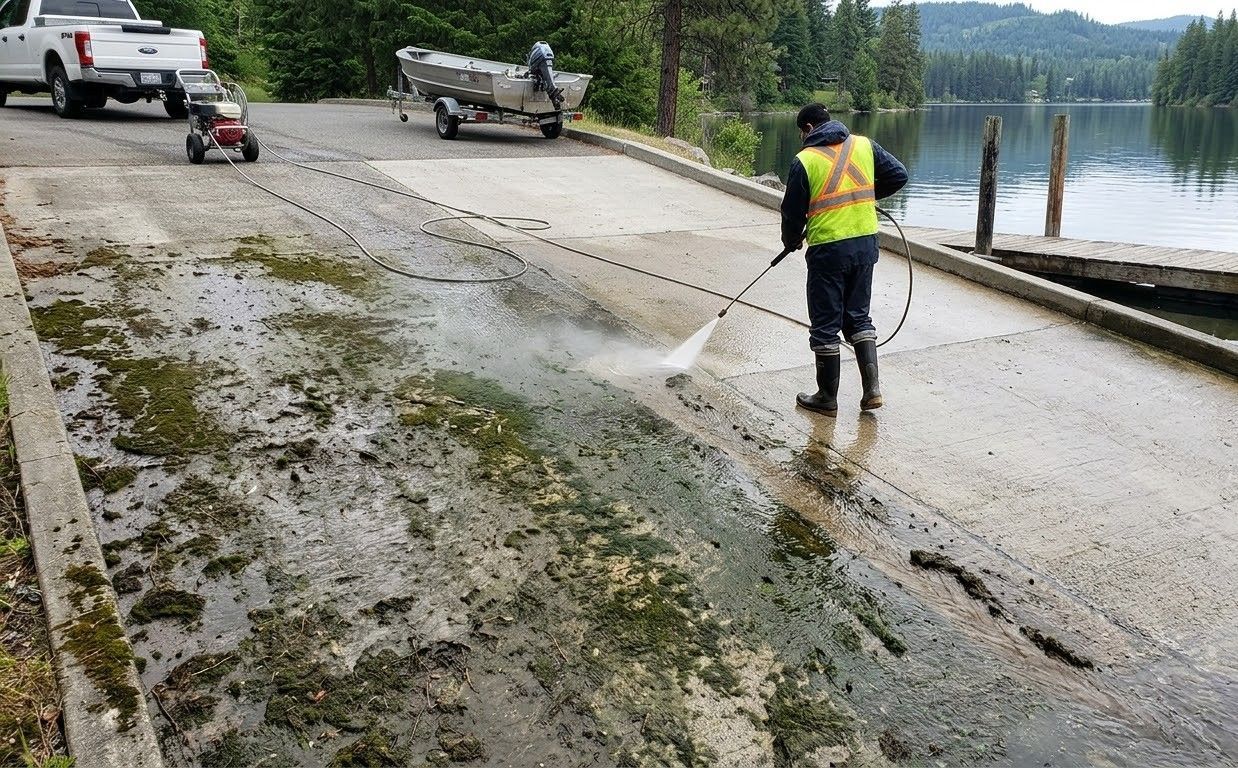
RAMPS
Approach Ramps and Gangways
The hinged section between shore and dock stays wet longest and gets slickest first. It is also the piece everyone crosses carrying something, so it gets deliberate rather than passing attention.
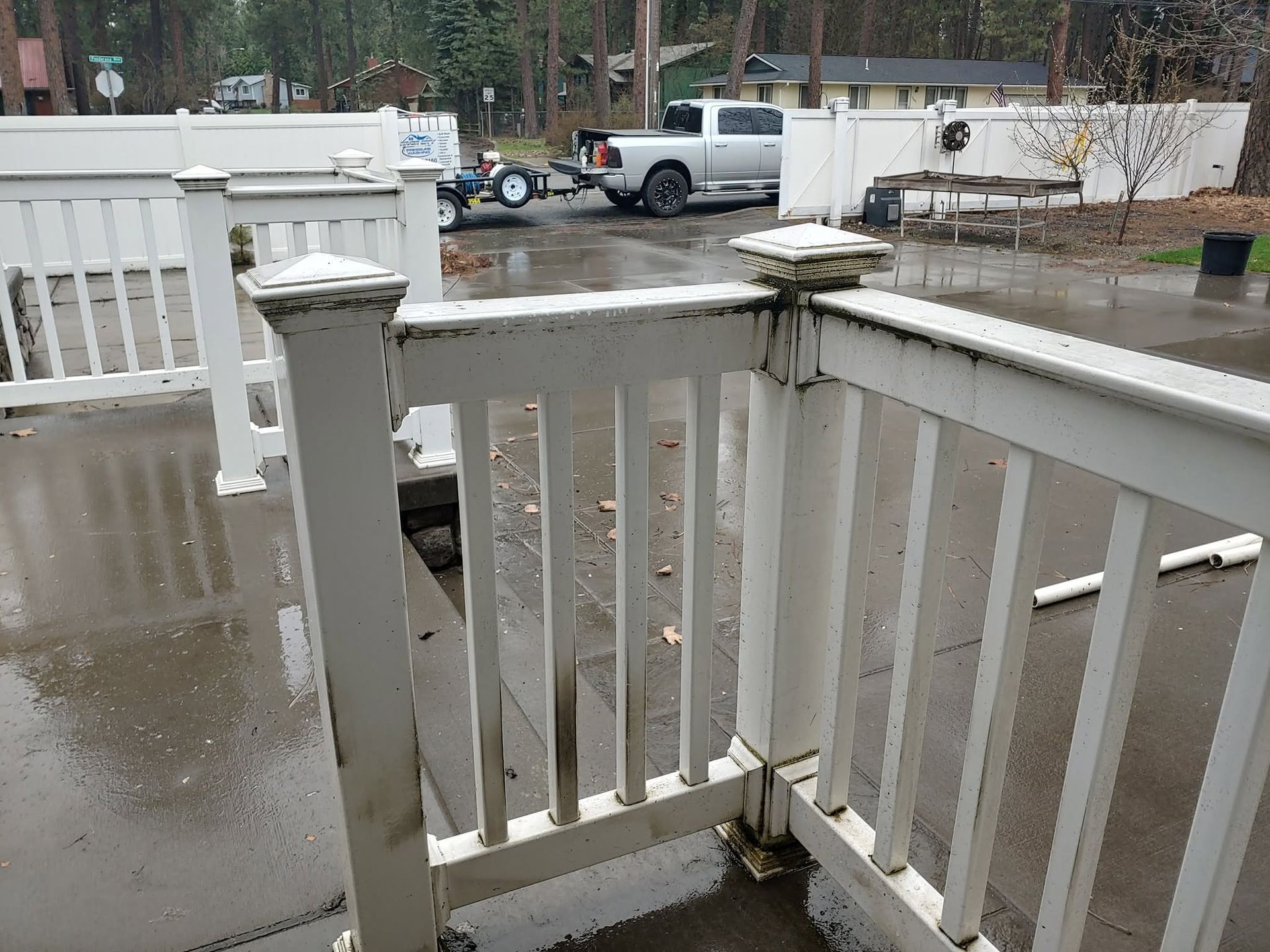
RAILINGS
Railings, Posts, and Ladders
Handrails, posts, cleats, and swim ladders are what people grab, often while off balance. Each face gets cleaned individually, including the underside of a rail nobody looks at but everyone touches.
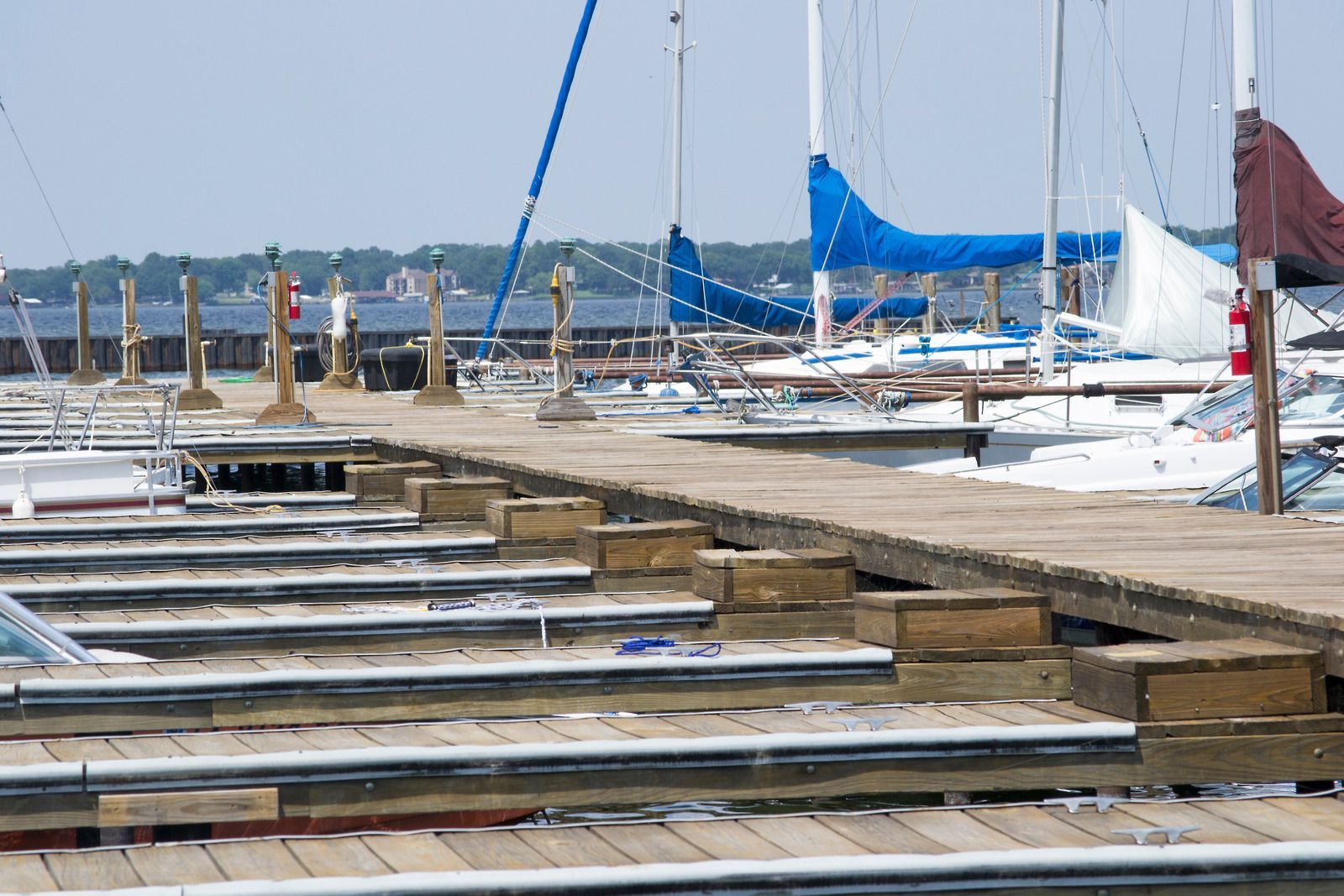
BOATHOUSE
Boat Lifts and Covered Slips
Lift frames, canopy posts, and covered slip structures collect algae in the permanent shade and hold onto it. Cleaning is worked carefully around mechanicals and canopies rather than sprayed across them indiscriminately.
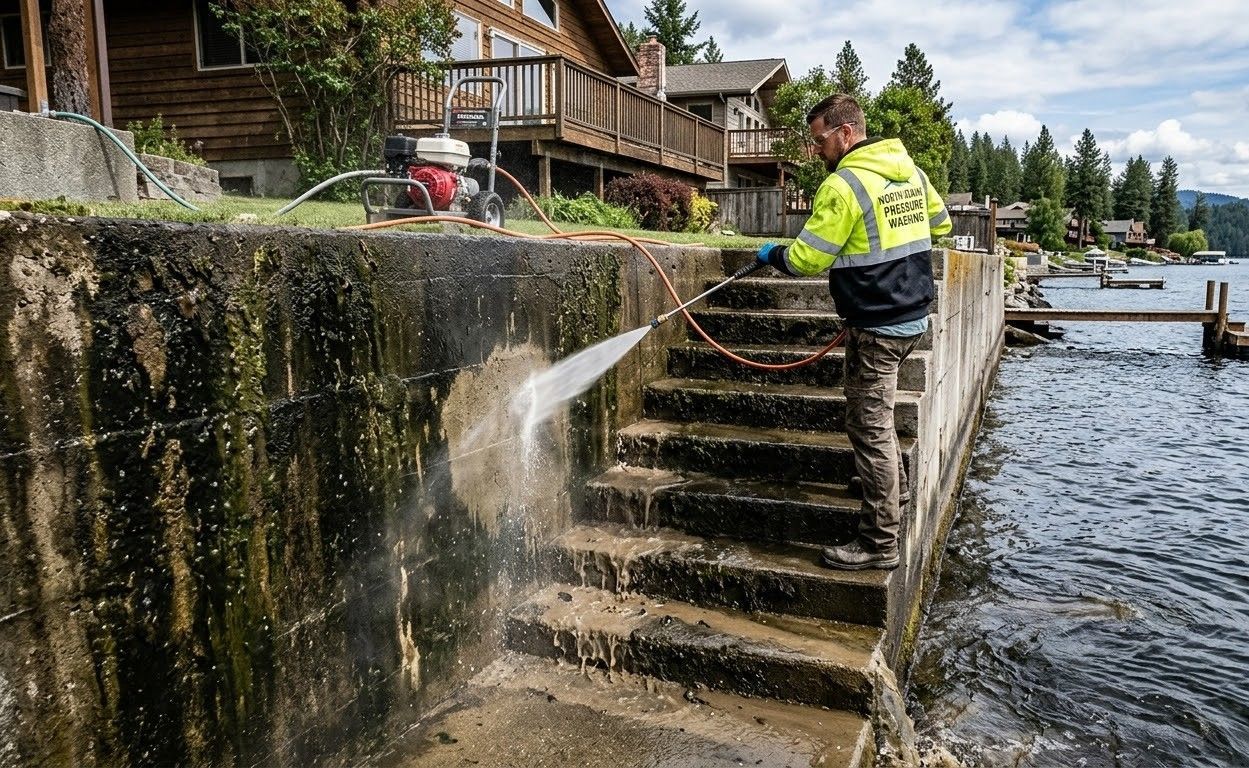
SHORELINE
Seawalls and Shore Steps
Concrete seawalls, retaining faces, and the steps down to the water carry heavy growth and are the most common place people lose footing. They are cleaned with the dock as one continuous job.
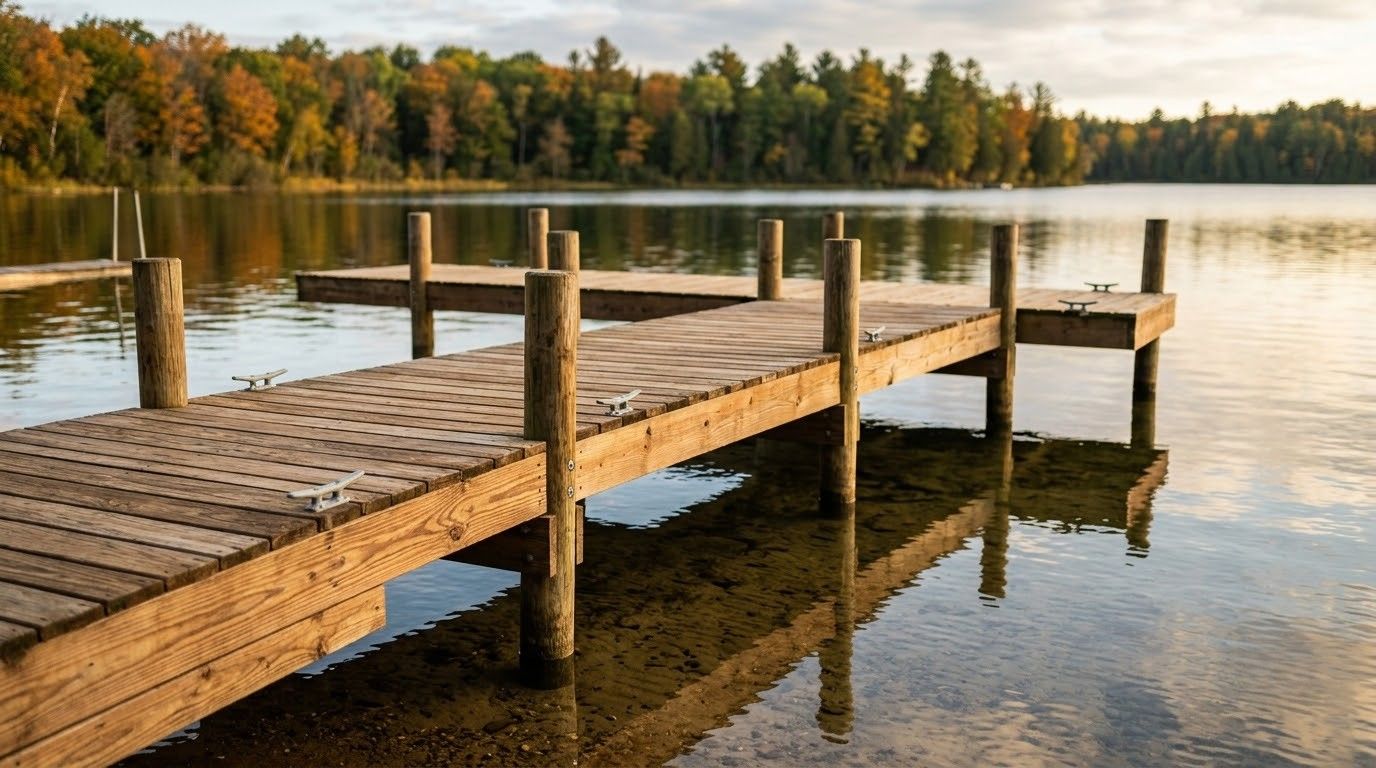
SEASONAL
Pre-Season and Haul-Out Cleans
Spring cleaning gets the dock ready for use, and a late-season pass removes growth before it sits under ice all winter. Booking both keeps the structure ahead of the problem year-round.
THE WORD ON OUR WORK
WHAT OUR CLIENTS SAY.
Dock owners talk about traction more than appearance, which tells us the priority is right. The other thing that comes up is the heads-up on a loose board or a soft section, caught in May rather than discovered in August with company on the dock.
Common Questions
FREQUENTLY ASKED QUESTIONS.
Owners ask mostly about damage, about timing, and about what ends up in the water. Here is what we tell people standing on their own decking.
How do you clean a boat dock without damaging the boards or surrounding area?
Constant moisture weakens dock wood, so pressure comes down first. We look at material, board condition, drainage, water proximity, and the type of buildup before choosing a method, and identify loose or rotting sections before cleaning starts.
Does a dock need cleaning every single year?
Once a year at minimum, ideally before the boating season starts. Docks in heavy shade or with constant water contact often want a second pass in late season, before growth sits under winter conditions.
Are your cleaning solutions safe to use next to the lake?
We use biodegradable products, dilute them appropriately, and control rinse direction so runoff is managed rather than pushed straight into open water. Product choice near shoreline is not the same decision as on a driveway.
Can you clean composite and aluminum docks too?
Yes, and both need different handling than wood. Composite chalks under force and aluminum streaks, so each gets low pressure with a cleaner suited to the material rather than one universal setting.
Do I need to move my boat before you clean?
It helps considerably. An empty slip means the whole deck, ladder, and lift frame can be reached properly, and it removes any risk of overspray reaching a hull you would rather we did not touch.
What is the best time of year for dock cleaning?
Late spring, before the season gets going, is the ideal window. River City Pressure Washing books Post Falls, ID and Lake Coeur d'Alene docks heavily through April and May, so early scheduling is worth doing.
Will cleaning fix boards that are already rotting?
No, and we will say so before starting. Soft or structurally compromised boards get identified and photographed so you can plan repairs, since cleaning a failing board only makes the failure more visible.
Can you get rid of the green slime on the waterline?
Largely, yes. The band at and just above the waterline holds the heaviest growth and takes the longest dwell time. River City Pressure Washing treats it annually on Post Falls, ID docks, because it returns fastest.
HOW WE WORK
FROM SLICK BOARDS TO A DOCK YOU TRUST, HERE IS HOW.
STEP 01
Assess the Structure
We walk the dock, identify decking material, check fasteners and board condition, note the lift and ramp, and look at water level and shoreline access. Anything unsound gets recorded before a machine starts.
STEP 02
Quote and Schedule
You get a written price by square footage and material, with the pre-season window discussed openly since it fills early. Repairs we spot are described, never quietly worked around and billed later. You see the full scope before we book the date.
STEP 03
Prepare the Site
Furniture, gear, and anything loose comes off the dock, and moving the boat out of the slip is arranged where possible. Rinse direction and product dilution are planned around the open water. Everything gets settled before the pump starts running.
STEP 04
Treat the Growth
Solution goes on and dwells, doing the work that pressure would otherwise have to do by force. Waterline bands and shaded sections get longer contact time because that is where growth is thickest.
STEP 05
Clean at Low Pressure
The wand stays wide, moving, and well back from the boards. Ramps, rails, ladders, and lift frames are cleaned individually rather than swept past, since those are the surfaces people actually grip. Slower work, and boards that survive it.
STEP 06
Test and Report
We rinse, then walk the dock with you and check traction underfoot on the wet surface. You get photos of any loose fastener, soft board, or separating section we found while working. You decide what to do with that information.
Get Your Free Estimate
HAVE THE DOCK READY BEFORE THE FIRST WARM WEEKEND, FREE.
Spring dock slots go early around the lake. Send your shoreline address through the contact form and we will assess the structure, price it in writing, and get you on the calendar before the season starts.
WHAT YOUR DOCK QUOTE COVERS:
- Written estimate by square footage
- Pressure matched to damp decking
- Ramps, rails, ladders, and lift frames
- Runoff managed beside open water
- Photo report on loose or soft boards
- Our 100% satisfaction guarantee