Deck Cleaning
DECK CLEANING IN Post Falls, ID
Behr instructs homeowners to let a deck dry completely before staining, roughly 24 hours, while Thompson's WaterSeal specifies a minimum of 48 with temperatures above 50 degrees. That gap explains most peeling finishes, since wet wood rejects stain no matter how good the product is. River City Pressure Washing cleans wood and composite decks right across Post Falls, ID at 500 to 1,500 PSI, then builds the full drying window into the schedule rather than working around it.
THE DAMAGE HAPPENS IN THE GAPS.
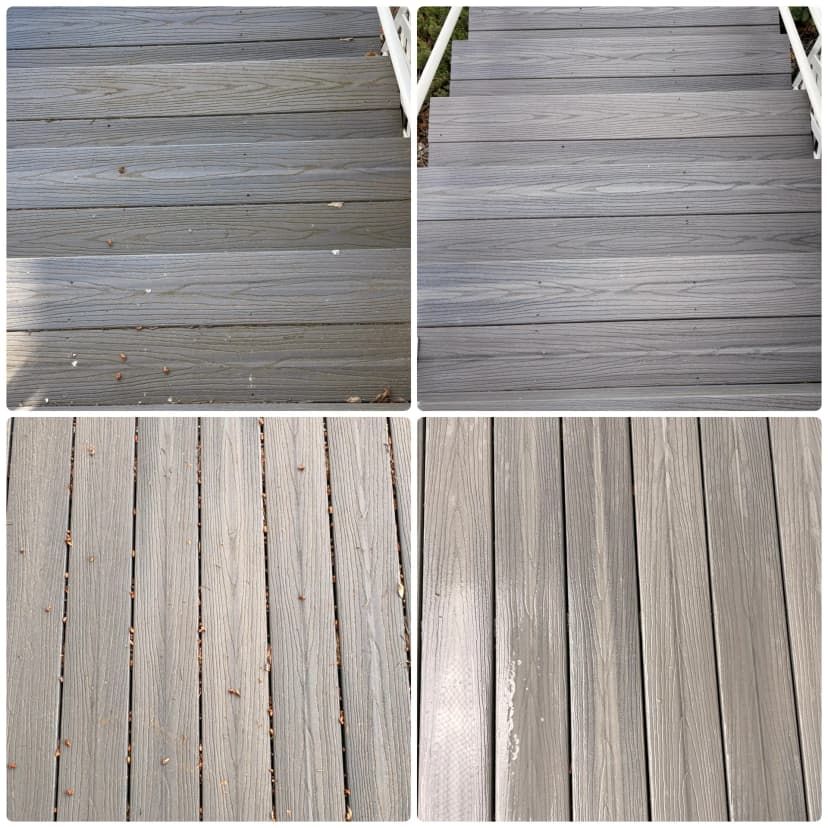
Everyone looks at the board faces, and the board faces are rarely where a deck actually fails. The problem lives in the spaces between them, where needles, seed pods, and sediment pack down over years into a wet plug that never gets a chance to dry. That trapped material holds moisture against three edges of every single board at once.
Clearing the gaps is slower than running a wand across the surface, and it is the part that extends the life of the deck. A clean face over packed gaps is a cosmetic result with a structural problem underneath.
- Board gaps cleared, not just surfaces
- Pressure matched to wood or composite
- Railings, spindles, and stairs included
- Drying time built into the schedule
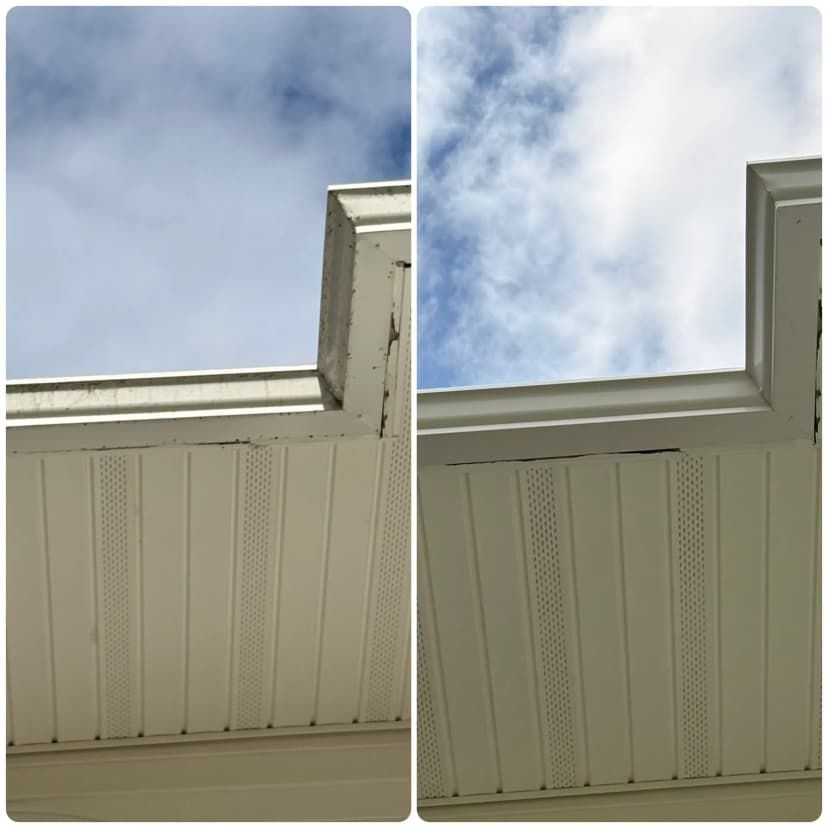
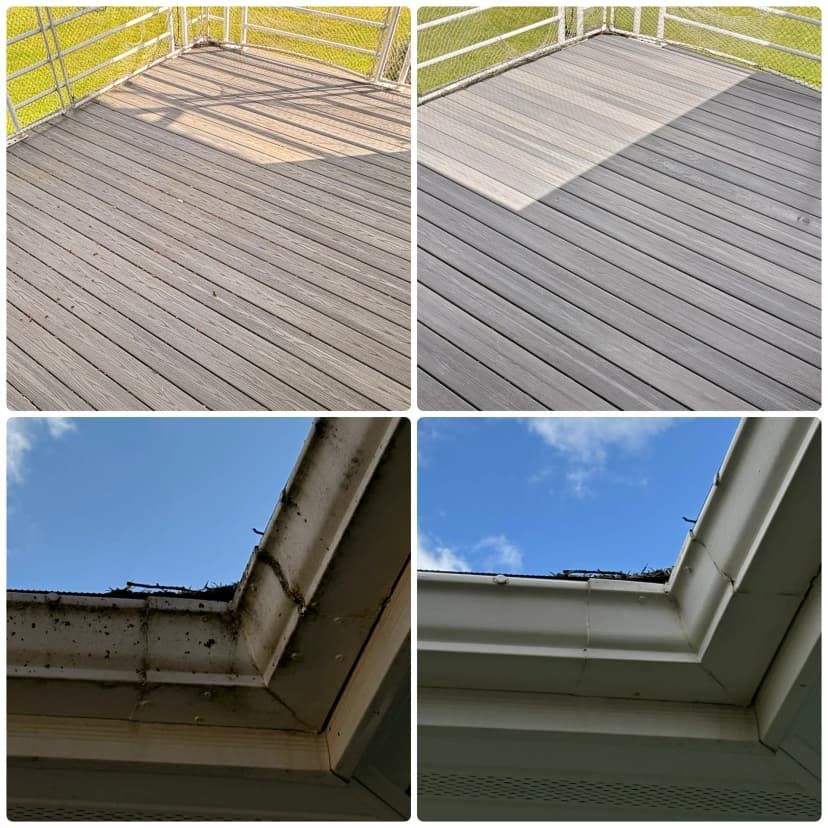
DECK CLEANING
COMPOSITE GETS DIRTY. IT JUST LIES ABOUT IT.
Composite decking is sold as maintenance free, which people reasonably hear as cleaning free. In practice the textured surface holds a chalky film of pollen, dust, and organic growth that flattens the color until boards look faded rather than dirty. Owners assume the product has degraded and start pricing replacement. Cleaned properly at low pressure, the same deck usually returns to its original tone, and the difference is a couple of hours of work.
OUR SEASON IS SHORT, SO THE TIMING MATTERS.
Post Falls runs from a last frost around May 1 to a first frost around October 11, and staining needs surface temperatures above 50 degrees with no rain for 24 hours after application. That leaves a genuine working window rather than an open calendar. Booking a clean in late spring gives the boards time to dry and the finish time to cure before the first freeze arrives at the eaves.
EVERY BOARD TELLS US HOW IT WAS TREATED LAST.
Cupping says the boards went down wet. A patchy sheen says the last finish went on over a damp deck. 8+ years of reading decks in this climate, and the gaps between the boards still tell us more than the board faces ever do. Fuzzy grain means somebody used too much pressure, probably once, probably in a hurry. Reading that before starting decides pressure, dwell, and whether the deck wants sanding rather than washing. It also tells us what to warn you about before you buy stain. What did the last crew leave you with?
WHY CHOOSE US FOR DECK CLEANING.
BOARDS LAST LONGER
Removing what sits in the gaps stops moisture being held against three edges of every board. That is the difference between a deck that ages slowly and one that softens from the inside.
COLOR ACTUALLY RETURNS
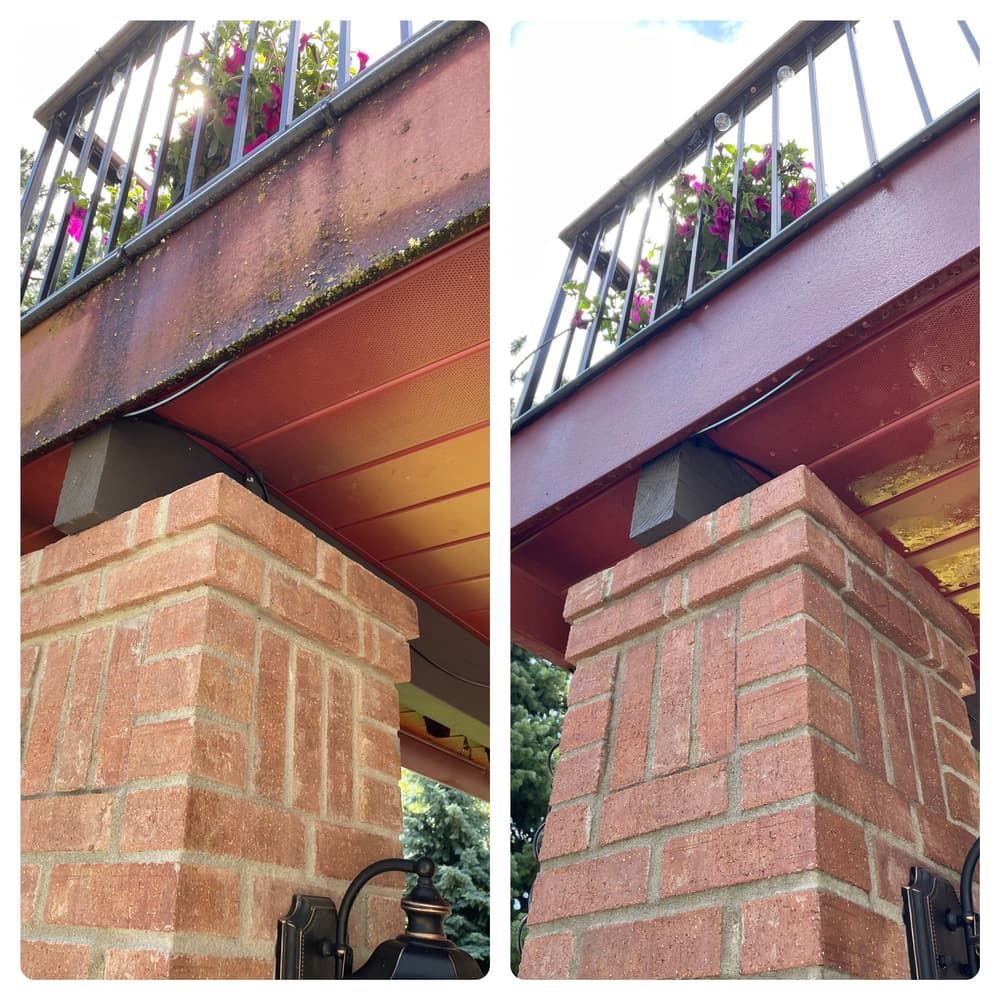
Composite comes back to its manufactured tone and cedar loses the gray layer. Most people expect a cleaner deck and are surprised to get the original color back instead.
SAFER UNDERFOOT
Algae and moss make decking treacherous the moment it is wet, and stairs are where that matters most. Cleaning restores grip on exactly the surfaces people misjudge in the rain.
NO FUZZED GRAIN
Correct pressure lifts growth without tearing fibers. Fuzzed wood feels rough, holds dirt faster, and takes stain unevenly, which is a problem that shows up months after the washing is finished.
PROPER STAIN PREP
If staining follows, the deck is cleaned and dried to the point where the finish can actually penetrate. That prep decides how the coating performs far more than which brand you buy.
EVERY VERTICAL TOO
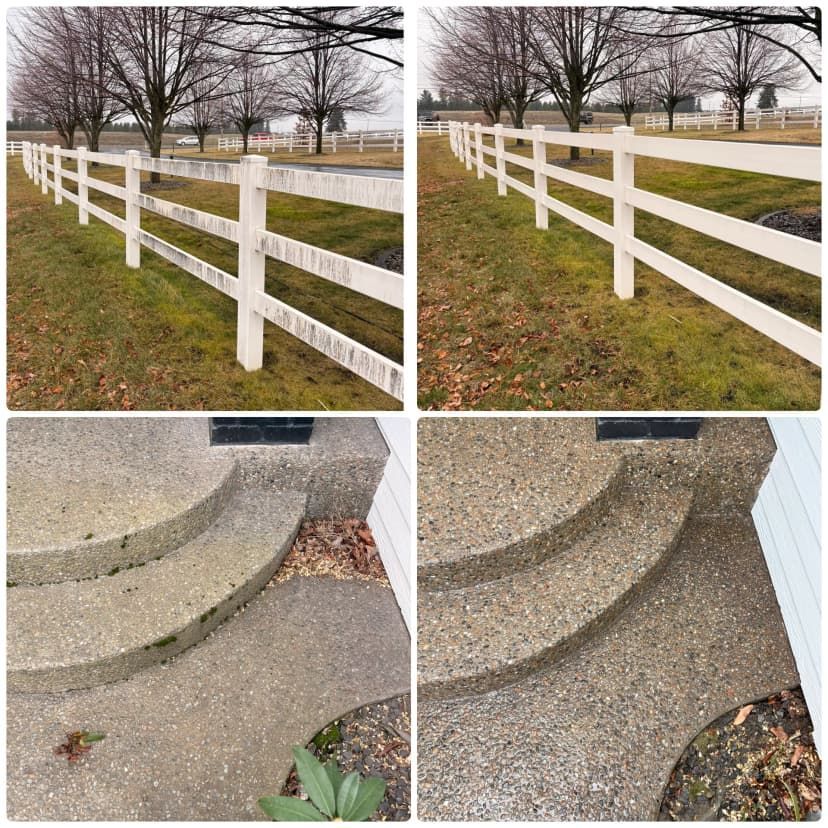
Railings, spindles, posts, stair risers, and fascia boards get cleaned with the deck surface. Bright boards under gray railings is the most obvious sign of a job done halfway.
WHAT WE CLEAN
OUR DECK CLEANING WORK
A deck is really several different surfaces bolted together, and each one collects its own problems. Here is what a full deck service covers, from the top rail down to the joists below.
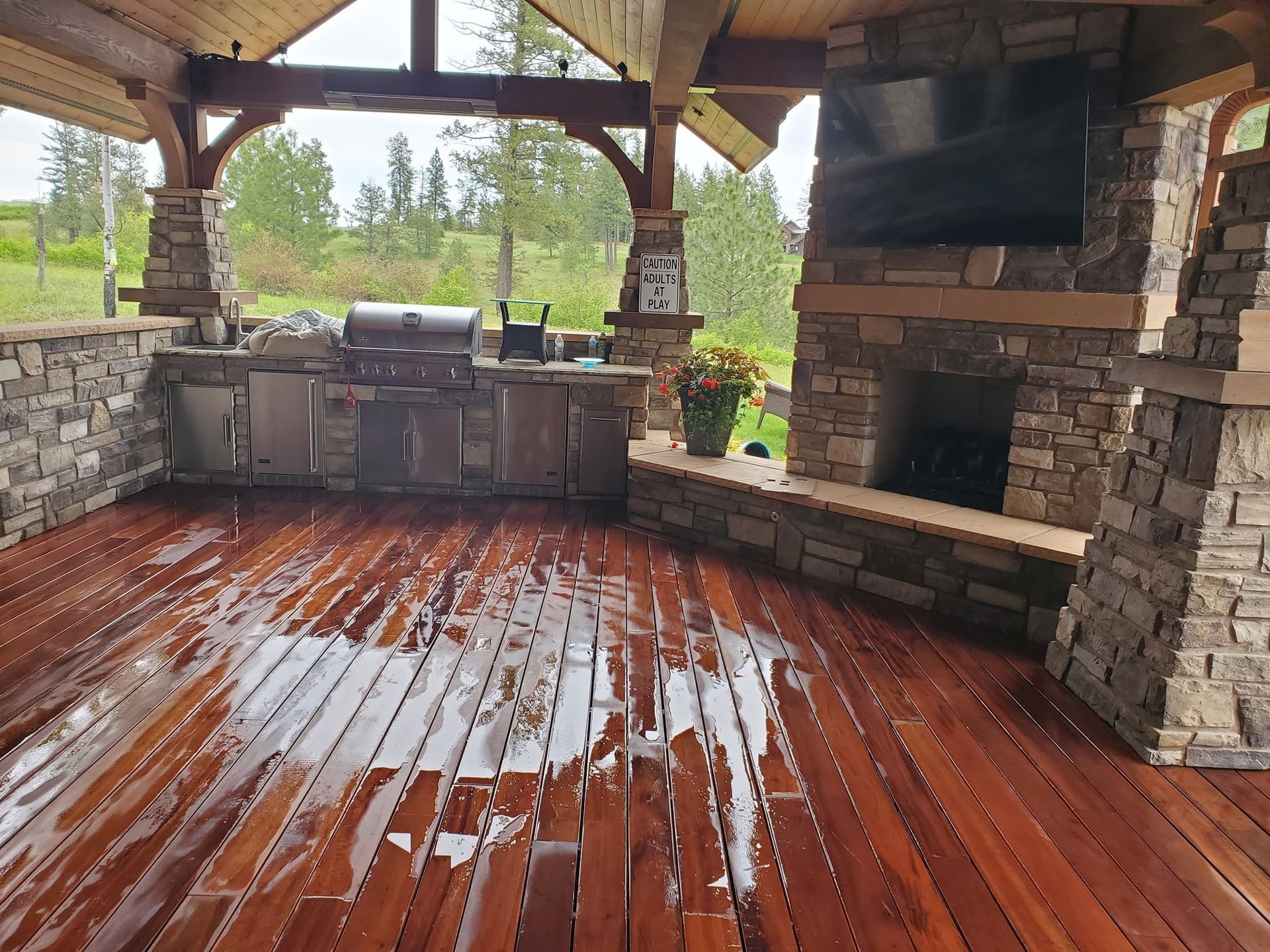
DECKING
Board Surfaces
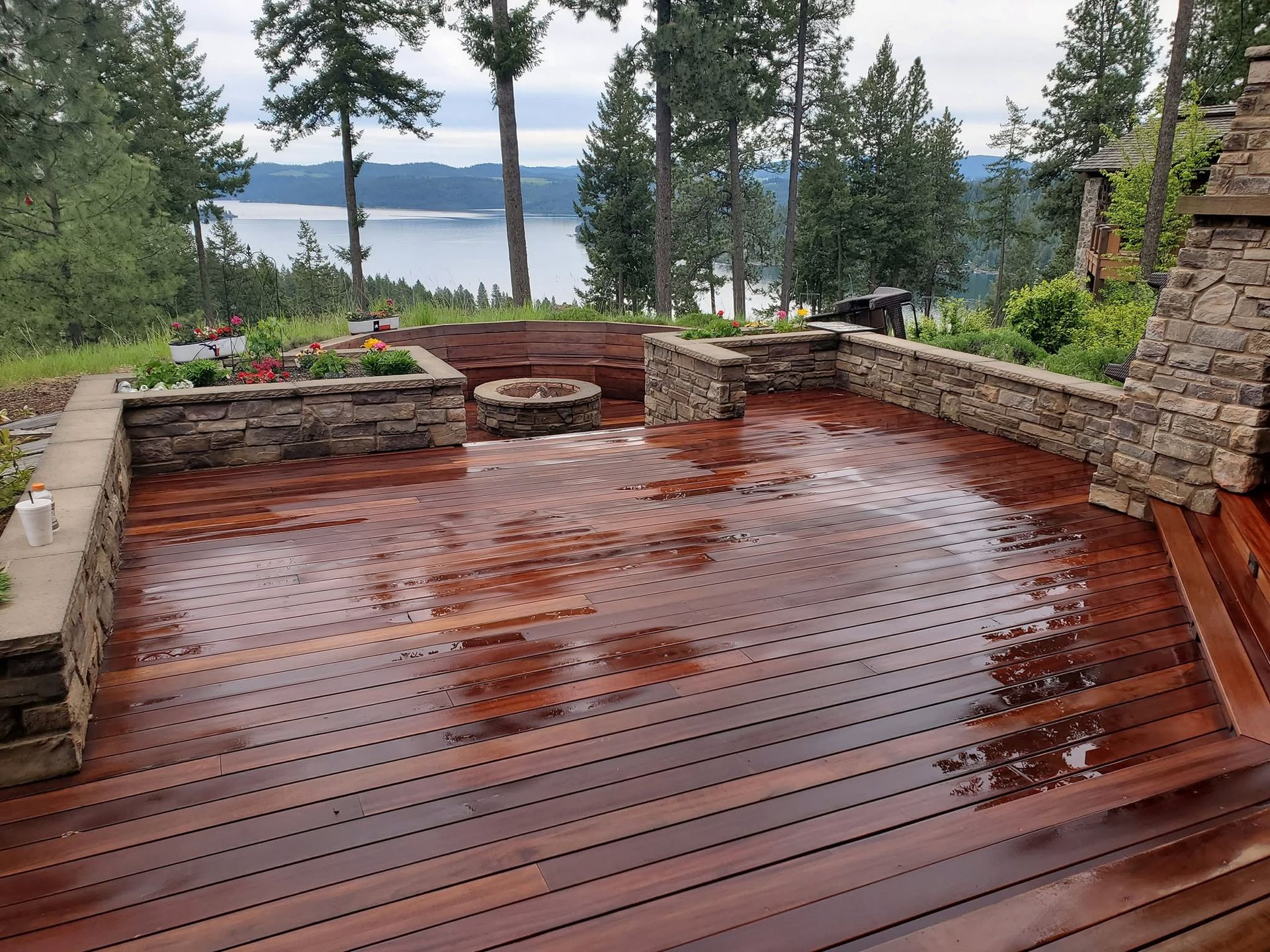
The walking surface is cleaned at pressure suited to the material, worked with the grain and overlapped so tone stays even. Cupped and raised boards get flagged rather than pushed harder.
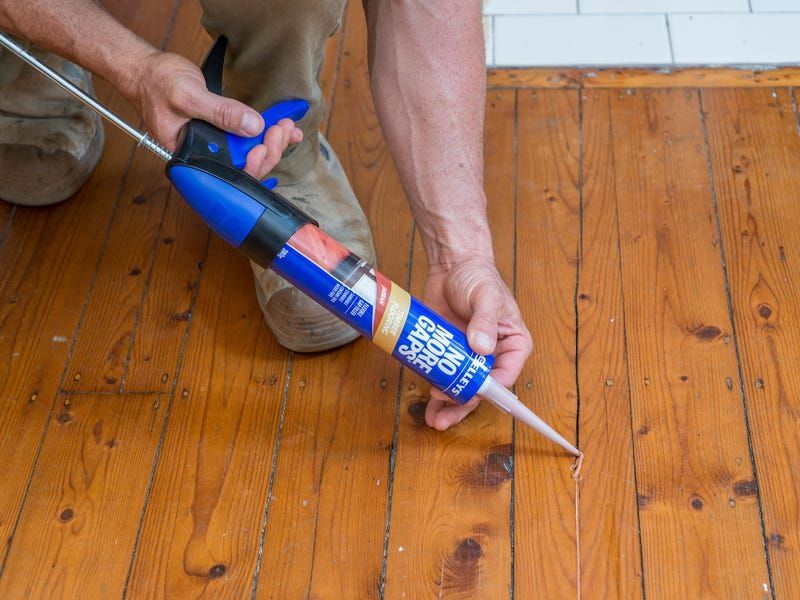
GAPS
Board Gap Clearing
Packed needles, seed pods, and sediment come out of the spaces between boards. This is the slow part of a deck clean and the one that does the most for how long the structure lasts.
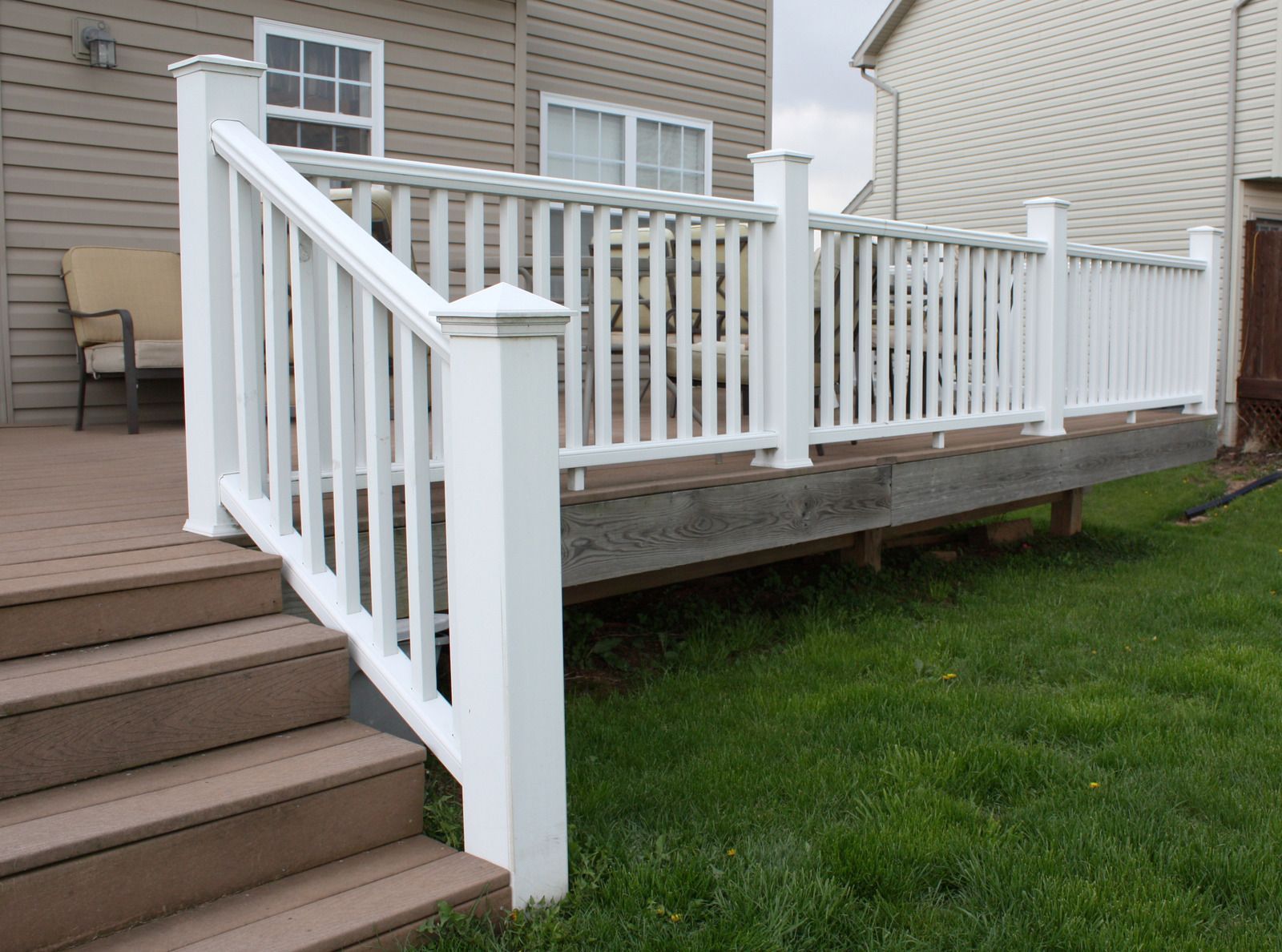
RAILINGS
Railings and Spindles
Top rails, balusters, posts, and caps take direct weather from every direction and show it first. Each face is cleaned individually, since spraying a rail from one angle leaves three of its sides untouched.
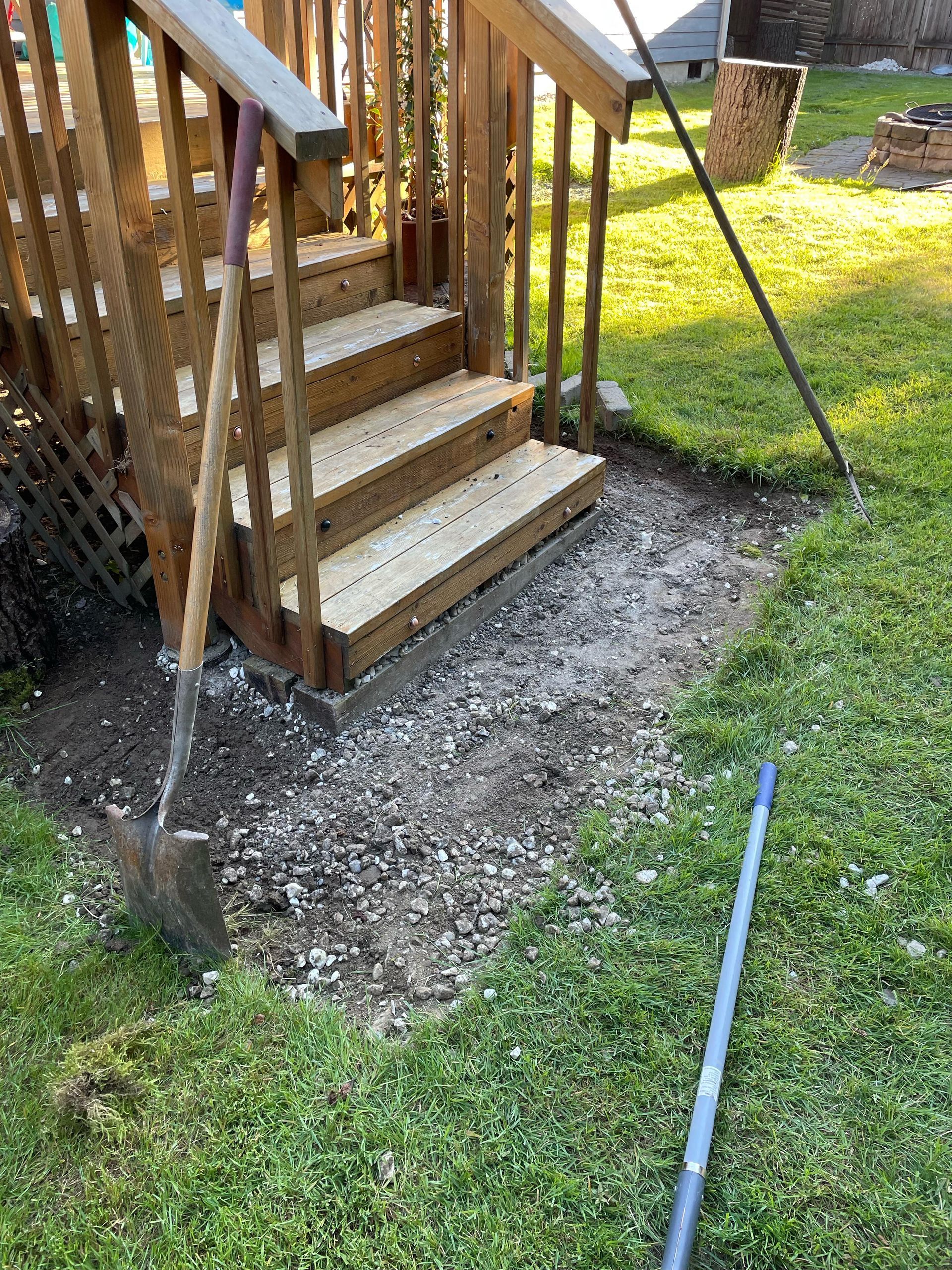
STAIRS
Stairs and Landings
Treads, risers, stringers, and landings collect the most growth because they stay shaded and wet. They also carry the highest slip risk, so they get worked deliberately rather than passed over quickly.
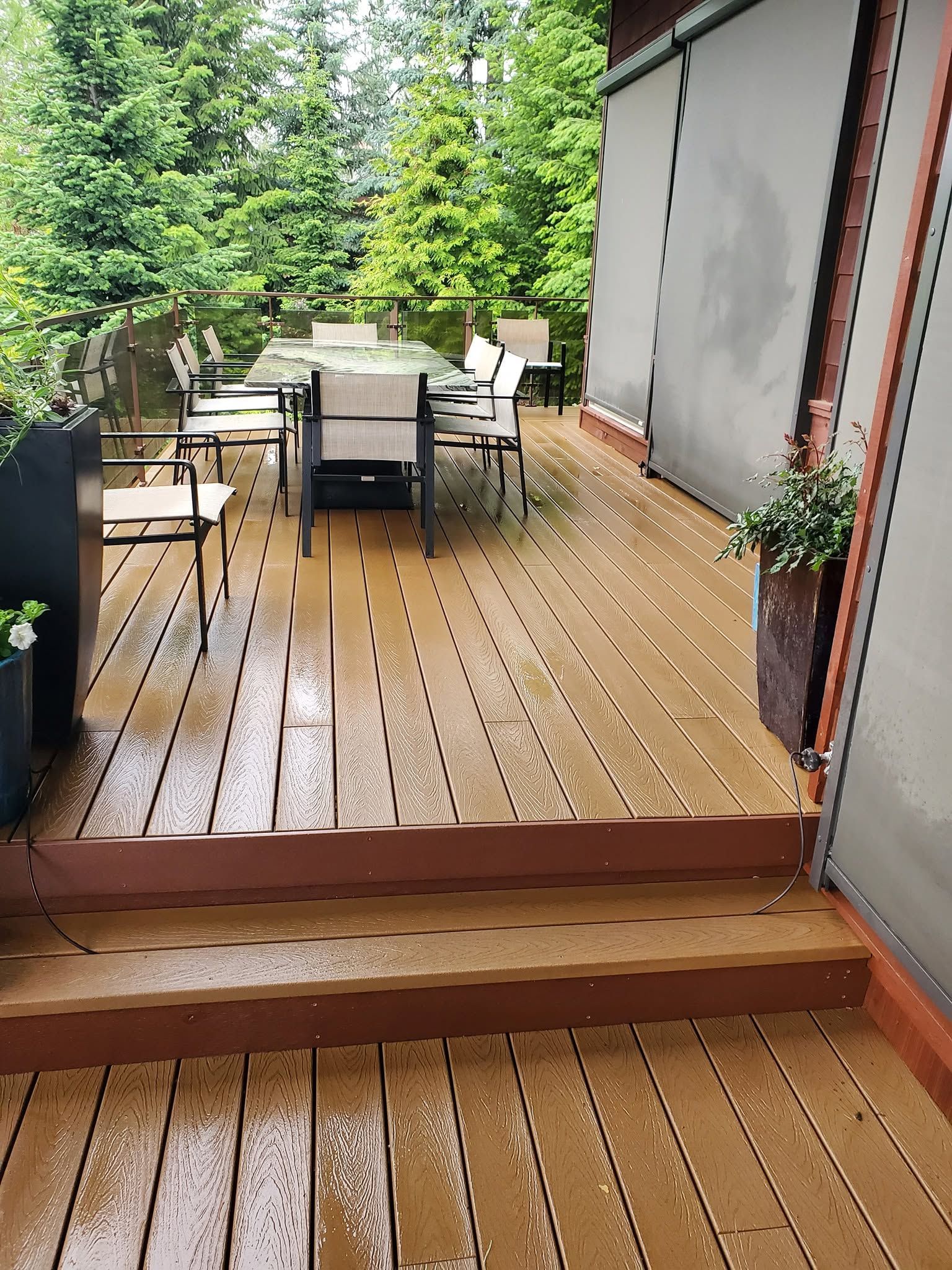
STRUCTURE
Fascia, Skirting, and Frame
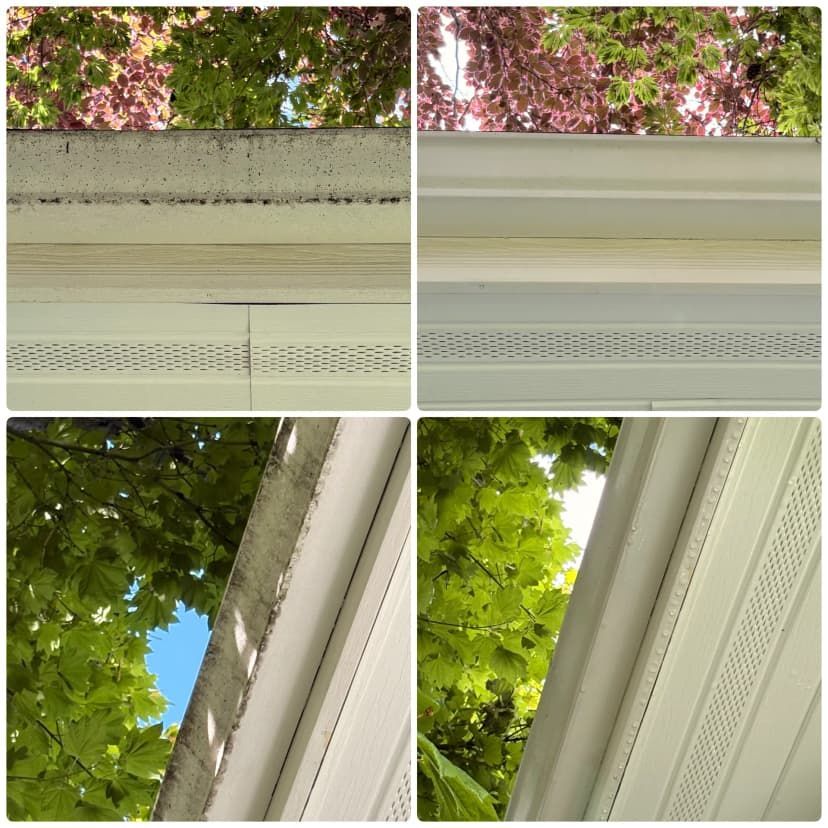
Rim boards, skirting, lattice, and accessible framing get cleaned alongside the deck. Growth left on the structure keeps moisture close and migrates straight back onto the surface you just cleaned.
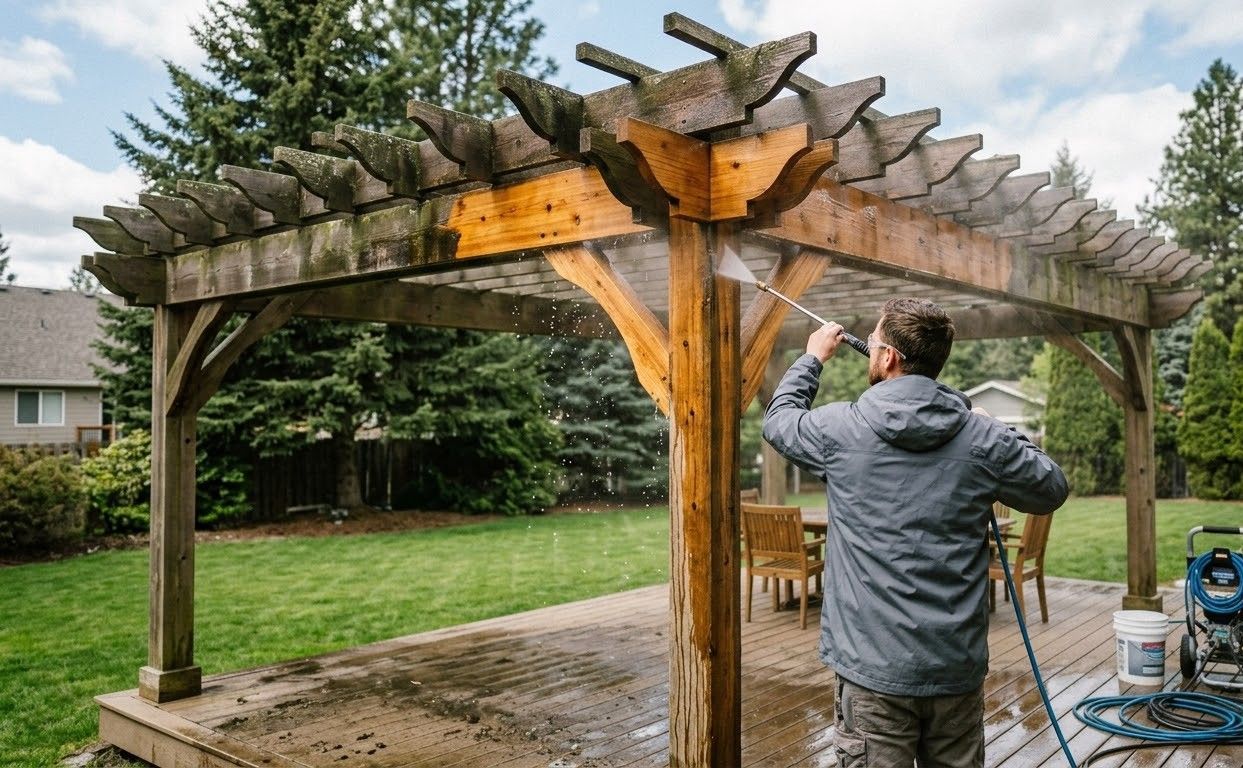
FEATURES
Pergolas and Covered Sections
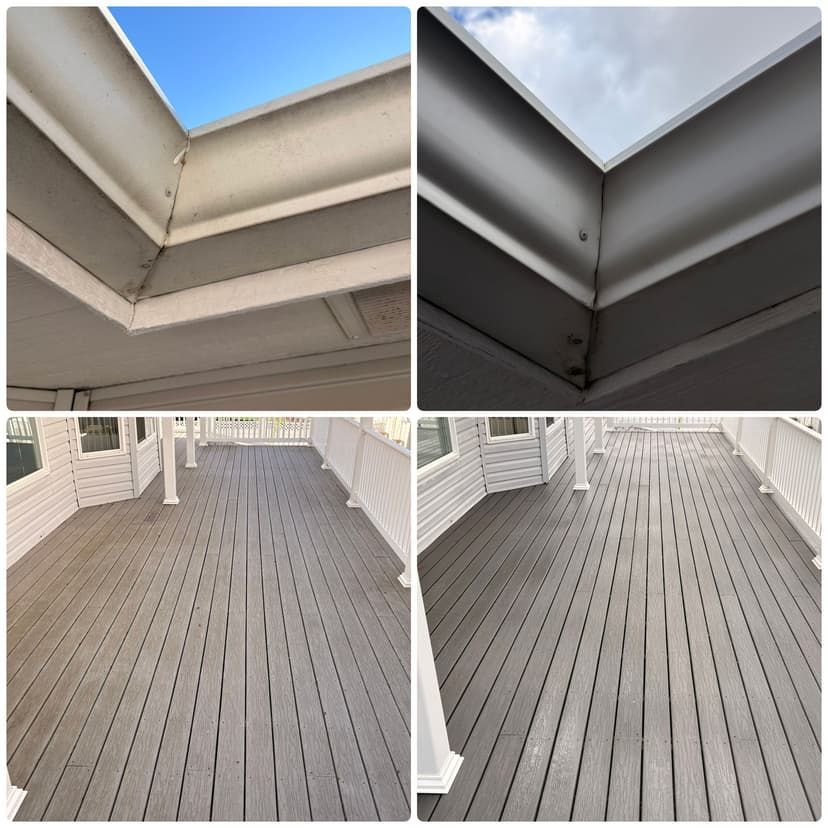
Pergolas, posts, beams, and covered ceilings run with algae streaking because they never get direct sun. Cleaning them with the deck keeps the whole outdoor space looking consistent rather than sectioned.
THE WORD ON OUR WORK
WHAT OUR CLIENTS SAY.
Deck feedback usually starts with the composite. People had accepted a faded gray and are genuinely surprised to find the original color underneath it. The other regular comment is about the gaps, and about how much material came out of them.
Common Questions
FREQUENTLY ASKED QUESTIONS.
Deck questions divide neatly into two groups: worries about damage, and questions about staining timelines. Here is what we tell people who are standing on the boards asking.
Is pressure washing bad for a wood deck?
Only at the wrong pressure. Wood decking wants 500 to 1,500 PSI with a wide, moving tip. Too much force raises the grain, which leaves a rough surface that traps dirt and absorbs stain unevenly afterward.
How soon can I stain after the deck is washed?
Manufacturers differ, ranging from about 24 hours to a minimum of 48, and cool or humid weather extends both. The wood has to be dry through, not just dry to the touch, or the finish will not penetrate.
Can you clean a composite deck safely?
Yes, at low pressure with a cleaner suited to the material. Composite holds a chalky film that dulls the color, and most owners are surprised how much of the original tone comes back once it is removed.
What is the right interval between deck cleanings?
Once a year works for most Post Falls, ID decks, ideally in late spring once the pollen drop finishes. River City Pressure Washing cleans shaded and conifer-covered decks more often, since growth returns considerably faster on those.
Will cleaning remove an old stain or sealer?
It removes failing, flaking coating but will not strip a sound finish, which needs a dedicated stripper. River City Pressure Washing assesses which situation you have in Post Falls, ID before quoting the work.
Do I need to sand the deck after washing?
Sometimes. If previous cleaning fuzzed the grain, or the boards are heavily weathered, light sanding gives a smoother surface and better stain absorption. We tell you honestly which decks need it.
Can you clean the moss out from between the boards?
That is the part we spend the most time on. Packed material comes out of the gaps so water can drain properly, which matters far more for the deck's lifespan than how the faces look.
What if some boards are already rotten?
We point them out before starting rather than discovering them under pressure. Soft boards, failed fasteners, and compromised joists get flagged with photos so you can arrange repairs before any finish goes down.
HOW WE WORK
FROM GRAY BOARDS TO A DECK YOU USE, HERE IS HOW.
STEP 01
Read the Deck
We check material, fastener condition, board cupping, previous finish, and how much is packed into the gaps. Soft boards and failing framing get identified now, while it is still information rather than a surprise.
STEP 02
Quote It Clearly
The written price covers square footage, railings, stairs, and structure, with staining priced separately if you want it. Any board we expect will not improve is named before you agree to anything. You approve the full scope before we unload.
STEP 03
Clear and Protect
Furniture, grills, planters, and rugs all come off the deck first. Landscaping underneath and alongside gets soaked and covered, and we check what is sitting directly below any elevated section before starting. Nothing gets cleaned around or worked over the top of.
STEP 04
Treat and Clean
Solution goes on and dwells, then cleaning runs at the pressure the material takes, worked with the grain. Gaps, corners, and the awkward spots behind posts are done by hand where the wand cannot reach.
STEP 05
Rinse and Let It Dry
Everything gets a full rinse so nothing dries back onto the boards. Then the deck is left alone. If staining follows, the drying window is scheduled rather than compressed to finish sooner. Rushing this step is what ruins otherwise good finishes.
STEP 06
Walk It With You
We go over the surface, railings, and stairs together, put furniture back where it belongs, and give you a realiztic timeline for staining if that is the next step you are planning. Anything you are not happy with gets another pass.
Get Your Free Estimate
GET YOUR DECK BACK BEFORE SUMMER DOES, FREE.
Send the deck size and material through the contact form and we will put a written price together, including the drying window if staining is part of the plan. Late spring books up first here.
WHAT YOUR DECK QUOTE COVERS:
- Written estimate by square footage
- Board gaps cleared, not just faces
- Railings, spindles, and stairs included
- Pressure matched to your decking
- A realiztic drying and staining timeline
- Our 100% satisfaction guarantee